

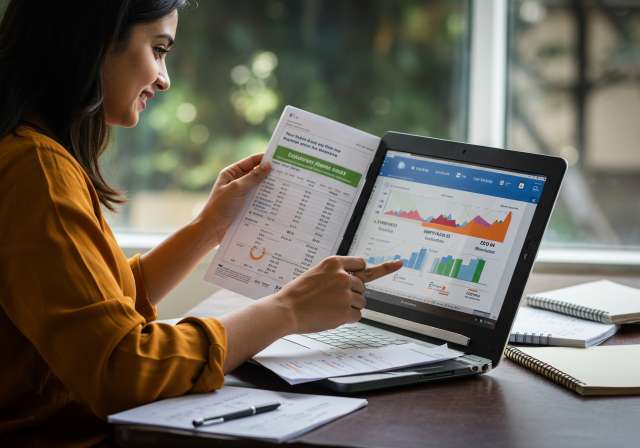
Unlock the power of Futures Trading! Discover the best app for futures trading, empowering you with real-time data & seamless access to Indian markets like NSE
Unlock the power of Futures Trading! Discover the best app for futures trading, empowering you with real-time data & seamless access to Indian markets like NSE & BSE. Trade smarter, invest better!
Trade Smarter: Finding the Best futures trading app
Demystifying Futures Trading in the Indian Market
The Indian financial landscape offers a plethora of investment opportunities, from the stability of Public Provident Fund (PPF) to the market-linked returns of Equity Linked Savings Schemes (ELSS) and mutual funds. Among these, futures trading presents a higher-risk, higher-reward avenue for sophisticated investors. But what exactly are futures, and why might you consider them?
In simple terms, a futures contract is an agreement to buy or sell an asset at a predetermined price and date in the future. These assets can range from commodities like gold and crude oil to stock indices like the Nifty 50 on the National Stock Exchange (NSE) and Sensex on the Bombay Stock Exchange (BSE). The value of a futures contract is derived from the underlying asset. Therefore, traders speculate on the future price movements of these assets to potentially profit.
While potentially lucrative, futures trading isn’t for the faint of heart. It involves significant leverage, meaning a small initial investment (margin) controls a much larger contract value. This amplifies both potential gains and losses. Thorough understanding of market dynamics, risk management strategies, and regulatory guidelines set by the Securities and Exchange Board of India (SEBI) is crucial before venturing into this domain.
Why Use a Futures Trading App?
Gone are the days of relying solely on desktop trading terminals. Today, a robust and user-friendly futures trading app provides several advantages:
- Accessibility: Trade from anywhere, anytime, as long as you have a smartphone and an internet connection. Whether you’re commuting, traveling, or simply away from your desk, you can stay connected to the market.
- Real-Time Data: Access live quotes, charts, and news updates to make informed trading decisions. Time is of the essence in futures trading, and a trading app keeps you updated with the latest market movements.
- Ease of Use: Modern apps offer intuitive interfaces, making it easier to place orders, manage positions, and monitor your portfolio. They often include features like watchlists, alerts, and technical analysis tools.
- Speed and Efficiency: Execute trades quickly and efficiently, crucial for capitalizing on fleeting market opportunities. A well-designed app streamlines the trading process.
- Alerts and Notifications: Set up price alerts and receive notifications to stay informed about significant market movements or changes in your portfolio. This helps you react promptly to market conditions.
Key Features to Look For in a Futures Trading App
Not all trading apps are created equal. Before choosing a platform for futures trading, consider these essential features:
1. User-Friendly Interface
The app should be intuitive and easy to navigate, even for beginners. Look for a clean design, clear labeling, and logical placement of features.
2. Real-Time Data and Charts
Access to accurate and up-to-date market data is paramount. The app should provide real-time quotes, charts, and depth of market information (bid and ask prices).
3. Order Types and Execution
The app should support various order types, including market orders, limit orders, stop-loss orders, and bracket orders. Fast and reliable order execution is critical for capturing profitable opportunities.
4. Technical Analysis Tools
Look for a range of technical indicators and charting tools to analyze market trends and identify potential trading signals. Common indicators include Moving Averages, MACD, RSI, and Fibonacci retracements.
5. Risk Management Features
The app should offer tools to manage your risk effectively, such as stop-loss orders, position sizing calculators, and margin alerts. Responsible risk management is essential for protecting your capital.
6. Security
Ensure the app uses robust security measures to protect your personal and financial information. Look for features like two-factor authentication and data encryption.
7. Customer Support
Reliable and responsive customer support is crucial in case you encounter any issues. Check if the app offers multiple support channels, such as phone, email, and chat.
8. Regulatory Compliance
The platform should be compliant with all relevant Indian regulations set by SEBI and registered with recognized exchanges like NSE and BSE.
9. Commission and Fees
Compare the commission and fees charged by different platforms. Consider factors such as brokerage charges, transaction fees, and account maintenance fees. While low fees are attractive, prioritize platform reliability and features.
10. Demo Account
A demo account allows you to practice futures trading with virtual money before risking real capital. This is an excellent way to familiarize yourself with the app and test different trading strategies.
Popular Futures Trading Apps in India
Several reputable trading apps cater to the Indian market. Here are a few popular options (note that this is not an exhaustive list and you should conduct your own research before choosing a platform):
- Zerodha Kite: Known for its user-friendly interface and low brokerage fees.
- Upstox: Another popular choice offering a streamlined trading experience.
- Angel One: A full-service broker with a comprehensive trading platform.
- Groww: Primarily known for mutual funds and stocks, but also offers futures trading.
- 5paisa: Offers a discount brokerage model with a focus on technology.
It’s recommended to compare these apps based on your individual needs and preferences. Consider factors such as brokerage charges, features, user interface, and customer support.
Risk Management in Futures Trading
As mentioned earlier, futures trading involves significant risk. Here are some crucial risk management strategies to implement:
- Understand Leverage: Be fully aware of the leverage involved and how it can amplify both gains and losses.
- Use Stop-Loss Orders: Set stop-loss orders to limit your potential losses on each trade.
- Manage Position Size: Don’t risk more than a small percentage of your trading capital on any single trade. A common rule is to risk no more than 1-2% of your capital per trade.
- Diversify Your Portfolio: Avoid putting all your eggs in one basket. Diversify your investments across different asset classes and sectors. While diversification might be difficult with futures contracts alone, it is pertinent to the overall investment portfolio.
- Stay Informed: Keep up-to-date with market news, economic indicators, and geopolitical events that can impact the price of your underlying assets.
- Control Emotions: Avoid making impulsive decisions based on fear or greed. Stick to your trading plan and avoid chasing losses.
- Start Small: Begin with small positions and gradually increase your trading size as you gain experience and confidence.
Tax Implications of Futures Trading
Profits from futures trading are generally treated as speculative business income under Indian tax laws. This means they are taxed at your applicable income tax slab rate. It’s essential to maintain accurate records of your trading activity and consult with a tax advisor to understand the tax implications fully.
Beyond the App: Education and Continuous Learning
Selecting the right futures trading app is just the first step. Success in futures trading requires ongoing education and continuous learning. Here are some resources to consider:
- SEBI Website: Provides information on regulations and investor education.
- NSE and BSE Websites: Offer educational resources and market data.
- Online Trading Courses: Many reputable providers offer courses on futures trading strategies, technical analysis, and risk management.
- Books and Articles: Numerous books and articles are available on various aspects of futures trading.
- Financial News Websites: Stay informed about market trends and economic developments.
Conclusion: Empowering Your Futures Trading Journey
Futures trading can be a rewarding, albeit risky, investment avenue. By choosing a suitable futures trading app, understanding market dynamics, and implementing robust risk management strategies, you can potentially enhance your investment portfolio. Remember, responsible trading and continuous learning are crucial for long-term success in the Indian futures market. Before committing real capital, carefully consider your risk tolerance, financial goals, and seek professional advice if needed. Consider also safer investment options such as SIPs in mutual funds, PPF, and NPS alongside high-risk options such as futures trading.


