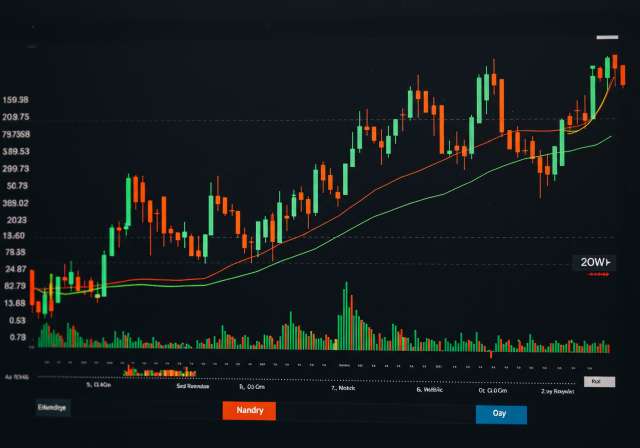
Navigating India’s dynamic stock market requires the right tools. Discover how the best stock broker app simplifies investing, balances convenience with risk, and aligns with SEBI’s 2026 regulatory vision for Indian investors.
Greetings, fellow investors. With over 15 years spent guiding individuals through the exhilarating, sometimes bewildering, world of Indian finance, we’ve witnessed a remarkable transformation. From the days of calling a broker to place an order, to the current era where a powerful stock broker app sits right in your pocket, the landscape has changed dramatically. Today, we’re going to talk about these digital powerhouses – what they offer, what to watch out for, and how to pick the one that truly serves your financial journey.
In a nutshell, a modern stock broker app is more than just a trading interface; it’s a comprehensive financial ecosystem. It brings market data, research, order execution, and portfolio management to your fingertips, democratizing access to wealth creation. However, this convenience also comes with responsibilities and potential pitfalls that every Indian investor, from a first-timer to a seasoned trader, must understand to truly benefit from this digital revolution.
From Ringing Up to Tapping In: The Evolution of Trading in India
It wasn’t that long ago that “investing” conjured images of bustling trading floors or calling your local broker’s office. The process was often opaque, slow, and expensive. Today, our markets, spearheaded by institutions like the NSE and BSE, are among the most advanced globally. This progress owes a great deal to technology, and at its forefront is the stock broker app.
These apps have not just streamlined trading; they’ve fundamentally changed investor behavior. They’ve empowered millions of new investors, particularly the younger demographic, to enter the market. We’ve seen first-hand how an app can turn a novice into an active participant, helping them understand SIPs, explore direct mutual funds, and even participate in IPOs with unprecedented ease. But with this power, as with any potent tool, comes the need for wisdom and caution.
What Makes a Truly Great Stock Broker App for the Indian Investor?
When we evaluate a stock broker app, we’re not just looking for a fancy interface. We’re looking for substance, reliability, and features that genuinely empower the Indian investor. Here’s what we typically consider:
1. User Experience (UX) and Interface
- The Benefit: An intuitive, clutter-free app makes navigating the markets less intimidating. Real-time price updates, clear charts, and easy order placement are non-negotiable. For a new investor, a clean UI can significantly reduce the learning curve for understanding concepts like bids, asks, and stop-loss orders.
- The Trade-off: Sometimes, simplicity can hide advanced features or granular data. An app that’s too simplistic might not cater to a seasoned trader needing complex options chains or derivative analytics. Over-reliance on visual cues can also lead to superficial understanding if not backed by proper research.
2. Brokerage Fees and Charges
- The Benefit: India has seen a massive shift towards discount brokerages, offering zero brokerage on equity delivery trades and very competitive rates (e.g., Rs. 20 per order) for intraday and F&O. This significantly reduces the cost of trading, putting more money back into your portfolio. Transparent fee structures for direct mutual funds, where platforms offer zero commission, are a huge plus.
- The Trade-off: Always look beyond the headline “zero brokerage.” There are often hidden charges like DP charges, STT, transaction charges, stamp duty, and GST. A very low brokerage might also mean a trade-off in customer support, advanced research tools, or platform stability during peak hours. Always read the fine print.
3. Research Tools and Market Insights
- The Benefit: Good apps offer in-depth company analysis, technical indicators, news feeds, and analyst reports. This is invaluable for making informed decisions, whether you’re evaluating a large-cap IT stock on the NSE or a promising small-cap on the BSE. Some even provide tools for fundamental analysis, comparing PE ratios or debt-to-equity.
- The Trade-off: The sheer volume of information can be overwhelming. Novice investors might fall into the trap of “analysis paralysis” or simply follow recommendations without understanding the underlying rationale. Remember, research tools are aids, not substitutes for your own critical thinking.
4. Customer Support and Reliability
- The Benefit: When markets are volatile or you face a technical glitch, responsive customer support (chat, phone, email) is crucial. We’ve seen instances where timely support saved an investor from significant losses or helped them quickly resolve a transaction issue.
- The Trade-off: Even the best support can be stretched thin during major market events. Relying solely on immediate assistance can be risky. It’s always wise to understand the app’s basic functionalities and troubleshoot common issues yourself, if possible. System outages, though rare, can happen, especially with high traffic.
5. Security and Regulatory Compliance
- The Benefit: In India, SEBI and RBI mandate strict regulations for financial platforms. This includes robust encryption, two-factor authentication (2FA), and regular audits. Your funds and personal data are protected by these stringent guidelines, fostering trust in digital transactions.
- The Trade-off: While apps invest heavily in security, human error remains a risk. Phishing attacks, weak passwords, or falling for social engineering scams can compromise your account regardless of the app’s internal security. Always be vigilant about your digital hygiene.
The Regulatory Gaze: SEBI, RBI, and the 2026 Vision
The regulatory bodies, SEBI and RBI, play a pivotal role in shaping the environment for stock broker apps in India. Their focus is squarely on investor protection, market integrity, and technological resilience. Looking towards 2026, we anticipate even more refined regulations:
- Enhanced Data Privacy: With the push for digital identity and data, we expect SEBI to further tighten data privacy norms, aligning with global best practices. Apps will need to be even more transparent about how they collect, store, and use your data, giving you more control.
- AI and Algorithmic Trading: As AI-driven insights and automated trading strategies become more prevalent, SEBI is likely to introduce specific guidelines to ensure fairness, prevent market manipulation, and manage systemic risks associated with complex algorithms. Expect more scrutiny on ‘robo-advisory’ features.
- Cybersecurity Resilience: Given the increasing sophistication of cyber threats, brokerages will face even stricter mandates for cybersecurity infrastructure, incident response protocols, and regular stress tests to ensure their platforms can withstand attacks and maintain service continuity.
- Payment Gateway Integration: RBI will continue to ensure seamless, secure, and instant payment mechanisms within these apps, possibly standardizing UPI-based payment integrations further for funding and withdrawal, reducing friction and enhancing security.
- Investor Grievance Redressal: We foresee a more streamlined and perhaps centralized mechanism for resolving investor complaints related to app-based trading, ensuring quicker turnaround times and fairer outcomes.
Always verify that your chosen app is regulated by SEBI and has a valid trading license. This isn’t just a formality; it’s your safety net.
Choosing Your App: Key Considerations Beyond the Basics
Beyond the core features, here are some practical considerations for the Indian investor:
1. Investment Options Offered
- Does the app limit you to just equities (NSE, BSE)? Or does it allow you to invest in mutual funds (direct and regular plans), ETFs, corporate bonds, SGBs (Sovereign Gold Bonds), IPOs, and even international stocks? A holistic platform is often more convenient.
2. Direct vs. Regular Mutual Funds
- Many apps now facilitate investing in direct mutual funds, which have no distributor commission, potentially adding Lakhs to your wealth over the long term compared to regular plans. This is a crucial feature for long-term wealth creation, especially through SIPs.
3. SIP and ELSS Facilities
- For those building long-term wealth and saving tax, easy SIP setup and investing in ELSS funds are vital. Can you automate your monthly investments with ease?
4. Integration with PPF, NPS, and Other Instruments
- While not directly traded on a stock broker app, some financial platforms offer a consolidated view or easy access to these government-backed schemes, helping you manage your overall financial portfolio in one place.
5. Tax Reporting Tools
- Come tax season, detailed Capital Gains statements (for STCG and LTCG) are invaluable. Does the app provide easily downloadable reports that simplify your tax filing, especially concerning the 2024-2026 Tax Regime updates?
The Tax Angle: What Every Indian Investor Needs to Know (2024-2026 Regime)
Tax implications are critical. The 2024-2026 tax regime continues to differentiate between Short Term Capital Gains (STCG) and Long Term Capital Gains (LTCG). Understanding these will directly impact your returns.
Short Term Capital Gains (STCG)
- Applies when equity shares or equity-oriented mutual funds are sold within 12 months of purchase.
- Taxed at a flat rate of 15% (plus cess and surcharge, if applicable), regardless of your income slab.
Long Term Capital Gains (LTCG)
- Applies when equity shares or equity-oriented mutual funds are sold after holding them for more than 12 months.
- LTCG up to Rs. 1 Lakh in a financial year is exempt from tax.
- LTCG exceeding Rs. 1 Lakh is taxed at 10% (plus cess and surcharge, if applicable), without indexation benefit.
For other assets like debt mutual funds, the classification and taxation differ. From FY 2023-24 onwards, long-term capital gains on debt mutual funds are taxed at your income slab rate. Always factor this into your investment decisions.
Here’s a simplified look at how different investments are taxed:
| Investment Type | Holding Period | Capital Gain Type | Tax Rate (Illustrative) |
|---|---|---|---|
| Equity Shares / Equity MFs | < 12 months | STCG | 15% |
| Equity Shares / Equity MFs | > 12 months | LTCG | 10% (over Rs. 1 Lakh) |
| Debt Mutual Funds | Any period | STCG / LTCG | As per Income Tax Slab |
| ELSS Funds | 3-year lock-in | LTCG | 10% (over Rs. 1 Lakh, after lock-in) |
| PPF / NPS | Maturity | Exempt / Taxed as Income | EET / EEE (subject to conditions) |
Note: This table is for illustrative purposes. Actual tax rates can vary based on surcharges, cess, and specific provisions of the Income Tax Act. Please consult a tax advisor for personalized guidance.
Case Study: Priya’s Journey from Savings to Smart Investing
Meet Priya, a 28-year-old software engineer in Bengaluru, earning around Rs. 15 Lakhs per annum. She grew up seeing her parents rely on traditional FDs and PPF. Priya wanted something more dynamic but was intimidated by the stock market. She had about Rs. 5 Lakhs in savings and could comfortably invest Rs. 20,000 per month.
Priya initially chose a well-known discount broker’s stock broker app. What attracted her was its user-friendly interface, zero brokerage on equity delivery, and the seamless SIP facility for mutual funds. She started with a SIP of Rs. 10,000 into a Nifty 50 Index Fund (Direct Plan) and Rs. 5,000 into a mid-cap equity fund. She also decided to allocate Rs. 5,000 for direct equity investments, starting with blue-chip companies she understood.
The app’s integrated research section helped her understand basic company financials. Its charting tools allowed her to track stock performance easily. When she faced a minor issue with a fund redemption, the in-app chat support resolved it within minutes. The app also provided clear tax statements, making her annual tax filing much simpler for her ELSS investments (which she started a year later for tax saving under Section 80C). Priya’s app choice empowered her to transition from being a passive saver to an active, informed investor, building a diversified portfolio that aligns with her risk appetite and financial goals, all while staying compliant with regulatory frameworks.
Pro-Tips for the Indian Investor Using a Stock Broker App
- Start Small, Learn Constantly: Don’t jump in with your entire life savings. Begin with a modest amount, perhaps Rs. 5,000-10,000, and use the app’s educational resources. The Indian market is dynamic; continuous learning is key.
- Diversify Your Portfolio: Don’t put all your eggs in one basket. Use the app to invest across different asset classes – equities, mutual funds (both large-cap and diversified), and perhaps even SGBs for stability.
- Understand Fees Beyond Brokerage: Always factor in all charges – STT, transaction charges, DP charges, GST. These can eat into your profits, especially for frequent traders.
- Don’t Chase Tips: The app’s ease of access can lead to impulsive decisions based on WhatsApp forwards or social media hype. Always do your own research or consult a trusted advisor.
- Set Limits (Stop-Loss and Target): Use the app’s features like stop-loss orders to limit potential losses and target orders to book profits. Emotional trading is a common pitfall.
- Review Your Portfolio Regularly: The app makes it easy to track your investments. Review them quarterly, not daily. Rebalance if necessary, aligning with your long-term goals and risk tolerance.
- Utilize Tax Reporting Tools: Use the app’s statements to simplify your tax calculations for STCG and LTCG, especially with the evolving tax regimes.
- Secure Your Account: Always use strong, unique passwords, enable 2FA, and be wary of phishing attempts. Your financial security is paramount.
In closing, the modern stock broker app is an indispensable tool for the Indian investor. It offers unparalleled convenience, empowers informed decision-making, and opens doors to a vast array of investment opportunities on the NSE and BSE. However, like any powerful instrument, its true value lies in how wisely you choose it and how diligently you use it. We encourage you to research, compare, and select an app that not only meets your current needs but also supports your aspirations for long-term financial growth.
Frequently Asked Questions
Q1: How do I open a Demat and Trading account using a stock broker app?
Most stock broker apps facilitate a fully digital account opening process. You’ll typically need your Aadhaar card (for e-KYC), PAN card, bank account details, and a digital signature. The entire process can often be completed in less than 15 minutes, with verification taking a day or two.
Q2: Are stock broker apps safe for my investments and personal data?
Yes, reputed stock broker apps in India are regulated by SEBI and RBI. They employ robust security measures like 2FA, encryption, and regular audits. However, your vigilance is key – always use strong passwords and be wary of phishing attempts.
Q3: Can I invest in Mutual Funds through a stock broker app?
Absolutely. Most modern stock broker apps offer a dedicated section for mutual fund investments, including both direct and regular plans. You can set up SIPs, redeem units, and track your mutual fund portfolio alongside your equity holdings.
Q4: What is the difference between equity delivery and intraday trading on an app?
Equity delivery involves buying shares and holding them for more than one trading day (potentially years), incurring zero or low brokerage. Intraday trading involves buying and selling shares within the same trading day to profit from price fluctuations, typically with slightly higher brokerage but lower overall transaction costs as shares aren’t transferred to your Demat account.
Q5: How do stock broker apps help with tax filing for capital gains?
Good stock broker apps provide consolidated capital gains statements (both STCG and LTCG) at the end of the financial year. These reports simplify the process of calculating your taxable gains, making it easier to file your income tax returns accurately.
Disclaimer: Investing in stocks and mutual funds is subject to market risks. Please read all scheme-related documents carefully before investing. The information provided in this article is for general informational purposes only and does not constitute financial or investment advice. Always consult with a qualified financial advisor before making any investment decisions.