
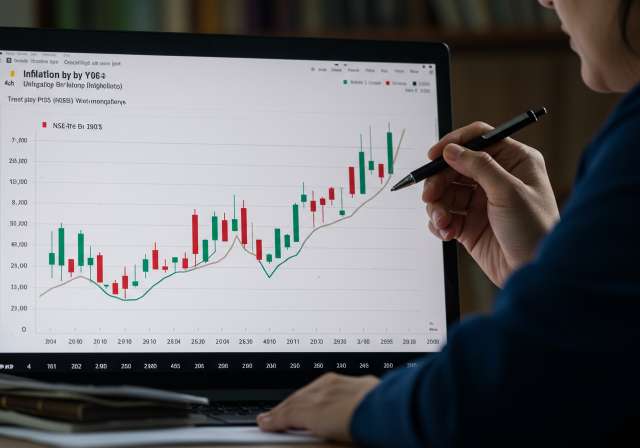

Uncover the financial connection! Exploring the auto & travel markets and understanding the interplay of auto and travel markets. Smart investing tips for India
Uncover the financial connection! Exploring the auto & travel markets and understanding the interplay of auto and travel markets. Smart investing tips for Indian markets!
Auto & Travel Markets: Decoding the Investment Synergy
Introduction: Wheels and Wings – A Financial Partnership
The Indian economy is a vibrant tapestry woven with diverse sectors, each influencing the other in intricate ways. Two sectors that are particularly intertwined are the automotive and travel industries. From weekend getaways fueled by personal vehicles to the rise in tourism boosting car rentals, the connection is undeniable. As investors in the Indian market, especially those navigating the NSE and BSE, understanding the dynamics between these sectors is crucial for making informed investment decisions. This article delves deep into the synergy, offering insights relevant to your portfolio, be it in equity markets, mutual funds, or even through avenues like SIPs and ELSS.
The Auto Sector: Driving the Indian Economy
The automotive sector in India is a significant contributor to the nation’s GDP. It encompasses a wide range of activities, from manufacturing passenger vehicles, commercial vehicles, and two-wheelers to producing auto components and providing after-sales services. Several factors influence the auto sector’s performance:
- Economic Growth: A robust economy with rising disposable incomes typically leads to increased demand for vehicles.
- Interest Rates: Lower interest rates make auto loans more affordable, boosting sales. Keep an eye on RBI policies!
- Government Policies: Government initiatives like scrappage policies, incentives for electric vehicles (EVs), and infrastructure development can significantly impact the sector.
- Fuel Prices: Fluctuations in fuel prices can influence consumer preferences, with a shift towards more fuel-efficient vehicles or alternative fuel options.
Key Players and Investment Opportunities
The Indian auto sector boasts both domestic giants and international players listed on the NSE and BSE. Some notable companies include:
- Maruti Suzuki India Ltd: A market leader in passenger vehicles.
- Tata Motors Ltd: Known for its passenger vehicles and commercial vehicles, and increasingly focused on EVs.
- Mahindra & Mahindra Ltd: A key player in the SUV segment and also making strides in the EV space.
- Ashok Leyland Ltd: A leading manufacturer of commercial vehicles.
- Bajaj Auto Ltd: A major player in the two-wheeler segment.
Investors can gain exposure to the auto sector through direct equity investments or via sector-specific mutual funds and ETFs. These funds typically track indices related to the auto industry, offering diversified exposure.
The Travel Sector: Soaring High in India
The Indian travel and tourism sector is experiencing rapid growth, fueled by increasing domestic and international tourism, rising disposable incomes, and improved connectivity. It includes airlines, hotels, travel agencies, tour operators, and related services. Several factors are driving this growth:
- Rising Disposable Incomes: As incomes rise, more people can afford to travel for leisure and business.
- Improved Infrastructure: The development of airports, roads, and railways is making travel more accessible and convenient.
- Government Initiatives: The government is promoting tourism through various initiatives like “Incredible India” and visa reforms.
- Technological Advancements: Online travel booking platforms and mobile apps are making it easier for people to plan and book their trips.
Segments within the Travel Sector
The travel sector encompasses several key segments:
- Airlines: Domestic and international carriers like IndiGo, SpiceJet, and Air India.
- Hotels: A range of hotels from budget-friendly options to luxury resorts. Listed players include Indian Hotels (Taj Group), EIH (Oberoi Group), and Lemon Tree Hotels.
- Online Travel Agencies (OTAs): Companies like MakeMyTrip, Yatra, and EaseMyTrip that facilitate online travel booking.
- Tour Operators: Companies that offer packaged tours and travel services.
Investing in the travel sector can be done through direct equity investments in listed companies or through mutual funds focused on the consumer discretionary sector, which often includes travel-related companies.
The Interplay: How Auto and Travel Influence Each Other
The fortunes of the auto and travel sectors are intricately linked. Several factors contribute to this synergy:
- Road Trips and Car Rentals: A significant portion of domestic tourism in India involves road trips. The demand for personal vehicles and car rentals increases during peak travel seasons.
- Airport Connectivity: The growth of the aviation sector necessitates improved ground transportation. Demand for airport transfers and car rentals rises as more people travel by air.
- Hotel Accessibility: Tourists often require transportation from airports or railway stations to their hotels. This creates demand for taxis, car rentals, and shuttle services.
- Fuel Prices and Travel Costs: High fuel prices can deter road trips and make air travel more attractive. Conversely, lower fuel prices can encourage more people to travel by car.
Case Study: The Impact of Festive Seasons
During festive seasons like Diwali and Dussehra, both the auto and travel sectors witness a surge in demand. People purchase new vehicles for auspicious occasions and travel to visit family and friends. This leads to increased sales for auto manufacturers, airlines, hotels, and travel agencies.
Investment Strategies: Navigating the Synergy
Understanding the interplay between the auto and travel sectors can inform your investment decisions. Here are some strategies to consider:
- Diversification: Invest in both auto and travel-related companies to diversify your portfolio and mitigate risk.
- Sector-Specific Funds: Consider investing in mutual funds or ETFs that focus on the auto or consumer discretionary sectors.
- SIPs and ELSS: Invest regularly through SIPs (Systematic Investment Plans) to benefit from rupee-cost averaging. Explore ELSS (Equity Linked Savings Scheme) options for tax benefits while investing in equity markets. Remember ELSS comes with a 3-year lock-in period.
- Long-Term Perspective: The auto and travel sectors are subject to cyclical fluctuations. Adopt a long-term investment perspective to ride out short-term volatility.
Considering Macroeconomic Factors
Keep a close watch on macroeconomic indicators such as GDP growth, inflation, interest rates, and government policies. These factors can significantly impact both the auto and travel sectors. SEBI (Securities and Exchange Board of India) regulations also play a vital role in maintaining market stability and investor protection. Stay informed about regulatory changes that may affect your investments.
Risks and Challenges
Investing in the auto and travel sectors is not without risks. Some challenges to consider include:
- Economic Slowdowns: Economic downturns can negatively impact demand for both vehicles and travel.
- Geopolitical Instability: Global events can disrupt supply chains and impact travel patterns.
- Technological Disruption: The rise of electric vehicles and autonomous driving technology is transforming the auto sector. Online travel booking platforms are disrupting traditional travel agencies.
- Regulatory Changes: Changes in government policies and regulations can impact the profitability of companies in both sectors.
Conclusion: Driving and Flying Towards Financial Goals
The auto and travel sectors in India are deeply interconnected, with each influencing the other in various ways. By understanding this interplay, investors can make more informed decisions and potentially generate higher returns. Remember to conduct thorough research, diversify your portfolio, and adopt a long-term investment perspective. Whether you’re investing in individual stocks, mutual funds, or through avenues like PPF (Public Provident Fund) and NPS (National Pension System) for a balanced portfolio, staying informed about the dynamics of these sectors is crucial for achieving your financial goals in the Indian market. Consider consulting a financial advisor for personalized guidance tailored to your individual needs and risk tolerance.


