
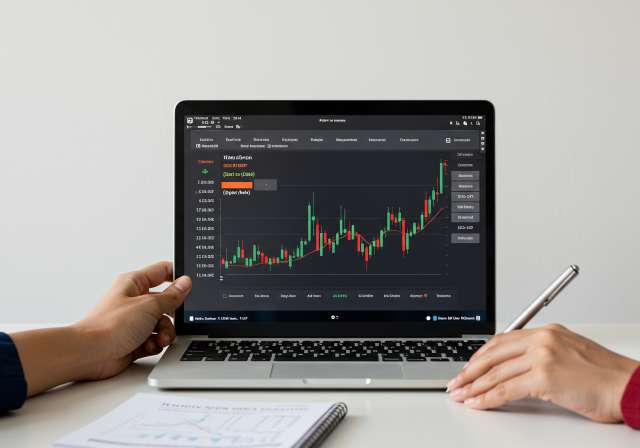
Commodity Trading Explained: A comprehensive guide for beginners in India. Learn what is commodity trading, its benefits, risks, and how to get started with MCX
Commodity Trading Explained: A comprehensive guide for beginners in India. Learn what is commodity trading, its benefits, risks, and how to get started with MCX, NCDEX, and more. Invest wisely!
Commodity Trading for Beginners: A Guide for Indian Investors
Introduction to Commodity Trading in India
The Indian financial market offers a diverse range of investment options, from equities and mutual funds to fixed income instruments. Among these, commodity trading presents a unique opportunity for investors seeking diversification and potential high returns. This guide is designed to provide a comprehensive overview of commodity trading, specifically tailored for beginners in India, covering everything from the basics to practical strategies for success.
Commodity trading involves buying and selling standardized raw materials or primary agricultural products. These materials are traded on specialized exchanges, allowing participants to speculate on price movements and manage risk.
What are Commodities?
Commodities are broadly categorized into:
- Agricultural Commodities: This includes products like wheat, rice, pulses, sugar, cotton, and spices. These are influenced by weather patterns, global demand, and government policies.
- Energy Commodities: Crude oil, natural gas, and electricity fall under this category. Geopolitical events, production levels, and seasonal demand significantly impact their prices.
- Metal Commodities: Precious metals like gold, silver, and base metals like copper, zinc, and aluminum are included. Economic growth, industrial activity, and investor sentiment drive their prices.
- Livestock & Meat: Live cattle and other livestock are also traded as commodities.
Exchanges for Commodity Trading in India
Several exchanges in India facilitate commodity trading, providing a platform for buyers and sellers to interact.
- Multi Commodity Exchange (MCX): MCX is the leading commodity exchange in India, offering trading in a wide range of commodities, including precious metals, base metals, energy, and agricultural products. It is regulated by the Securities and Exchange Board of India (SEBI).
- National Commodity and Derivatives Exchange (NCDEX): NCDEX primarily focuses on agricultural commodities, providing a platform for farmers, traders, and processors to manage price risk and facilitate efficient price discovery.
- Indian Commodity Exchange (ICEX): ICEX is another commodity exchange offering trading in a variety of commodities.
Who Participates in Commodity Trading?
Commodity markets attract a diverse group of participants:
- Producers: Farmers, miners, and oil producers use commodity markets to hedge against price fluctuations, ensuring a stable income stream.
- Consumers: Businesses that rely on commodities as raw materials, such as food processing companies or manufacturers, use the markets to manage their input costs.
- Traders and Speculators: Individuals and institutions who aim to profit from price movements by buying low and selling high, or vice versa.
- Hedgers: Entities who use commodity derivatives to reduce or eliminate the risk of price changes in their underlying commodity positions.
How to Start Commodity Trading in India
Embarking on your commodity trading journey in India involves a few key steps:
- Open a Demat and Trading Account: You’ll need to open a Demat and trading account with a SEBI-registered brokerage firm that offers commodity trading services. Many brokers that offer equity trading also provide commodity trading platforms. Popular options include Zerodha, Upstox, and Angel One. Ensure the broker is registered with MCX and/or NCDEX.
- Complete KYC (Know Your Customer): As per SEBI regulations, you’ll need to complete the KYC process by submitting necessary documents such as your PAN card, Aadhaar card, and bank statements.
- Fund Your Account: Deposit funds into your trading account. The amount required will depend on the margin requirements for the commodities you wish to trade.
- Choose a Trading Platform: Familiarize yourself with the trading platform offered by your broker. Understand how to place orders, analyze charts, and access market information.
- Start Trading: Begin with small positions and gradually increase your exposure as you gain experience and confidence. Focus on understanding the dynamics of the commodities you’re trading.
Understanding Commodity Derivatives
Commodity derivatives are financial contracts whose value is derived from the price of an underlying commodity. The most common types of commodity derivatives are futures and options.
Commodity Futures
A commodity future is an agreement to buy or sell a specific quantity of a commodity at a predetermined price on a future date. These are standardized contracts traded on exchanges like MCX and NCDEX.
- Margin Requirements: To trade futures, you need to deposit a margin with your broker, which is a percentage of the total contract value.
- Mark-to-Market: Futures contracts are marked-to-market daily, meaning your account is credited or debited based on the daily price fluctuations.
- Expiry Dates: Each futures contract has a specific expiry date, at which point the contract needs to be settled, either by physical delivery of the commodity or by cash settlement.
Commodity Options
A commodity option gives the buyer the right, but not the obligation, to buy (call option) or sell (put option) a specific quantity of a commodity at a predetermined price (strike price) on or before a specific date (expiry date).
- Premium: The buyer of an option pays a premium to the seller for this right.
- Limited Risk: The buyer’s maximum loss is limited to the premium paid.
- Potential for High Returns: If the price of the underlying commodity moves favorably, the option buyer can realize significant profits.
What is commodity trading is a complex area, and it’s important to do your research before diving in.
Strategies for Commodity Trading
Successful commodity trading requires a well-defined strategy based on thorough research and risk management.
- Fundamental Analysis: This involves analyzing factors that affect the supply and demand of a commodity, such as weather patterns, production levels, government policies, and economic growth. For example, analyzing monsoon forecasts is crucial for trading agricultural commodities.
- Technical Analysis: This involves studying price charts and using technical indicators to identify trends and potential trading opportunities. Common indicators include moving averages, RSI, and MACD.
- News and Events: Staying informed about relevant news and events that can impact commodity prices is crucial. This includes geopolitical events, economic data releases, and industry reports.
- Risk Management: Implement robust risk management strategies, such as setting stop-loss orders to limit potential losses and diversifying your portfolio across different commodities.
Factors Influencing Commodity Prices
Several factors can influence commodity prices, making it essential to stay informed and adaptable.
- Supply and Demand: The basic principle of supply and demand plays a crucial role. If demand exceeds supply, prices tend to rise, and vice versa.
- Geopolitical Events: Political instability, conflicts, and trade agreements can significantly impact commodity prices, especially for energy and metal commodities.
- Economic Growth: Economic growth in major economies like the US, China, and India can drive demand for commodities, leading to price increases.
- Weather Conditions: Weather patterns, such as droughts, floods, and extreme temperatures, can affect agricultural commodity production and prices.
- Currency Fluctuations: Changes in exchange rates can impact commodity prices, especially for commodities traded in international markets.
Risks of Commodity Trading
Commodity trading involves significant risks, and it’s crucial to be aware of them before investing.
- Volatility: Commodity prices can be highly volatile, leading to significant gains or losses in a short period.
- Leverage: Commodity futures trading involves leverage, which magnifies both potential profits and losses.
- Market Risk: Unforeseen events, such as natural disasters or geopolitical crises, can disrupt commodity markets and lead to unexpected price movements.
- Storage Costs: If you take physical delivery of a commodity, you’ll need to bear the costs of storage, insurance, and transportation.
Tips for Beginner Commodity Traders
Here are some essential tips to help you navigate the world of commodity trading successfully:
- Start Small: Begin with small positions and gradually increase your exposure as you gain experience.
- Educate Yourself: Continuously learn about commodity markets, trading strategies, and risk management techniques.
- Develop a Trading Plan: Create a well-defined trading plan that outlines your investment goals, risk tolerance, and trading strategies.
- Manage Your Risk: Implement robust risk management strategies, such as setting stop-loss orders and diversifying your portfolio.
- Stay Disciplined: Stick to your trading plan and avoid making impulsive decisions based on emotions.
- Keep Up-to-Date: Stay informed about market news, economic data, and geopolitical events that can impact commodity prices.
- Choose a Reputable Broker: Select a SEBI-registered brokerage firm with a strong reputation and reliable trading platform.
Commodity Trading vs. Other Investments
Commodity trading offers certain advantages and disadvantages compared to other investment options like equities, mutual funds, and fixed income instruments.
Commodity Trading vs. Equity Markets
- Diversification: Commodities can provide diversification benefits to a portfolio that is heavily weighted in equities. Commodity prices often move independently of equity prices.
- Inflation Hedge: Some commodities, such as gold, are considered a hedge against inflation, as their prices tend to rise during inflationary periods.
- Volatility: Commodity markets are generally more volatile than equity markets, offering the potential for higher returns but also higher risks.
Commodity Trading vs. Mutual Funds
- Direct Exposure: Commodity trading provides direct exposure to commodity price movements, while commodity-related mutual funds invest in companies involved in the production or processing of commodities.
- Liquidity: Commodity markets are generally highly liquid, allowing you to buy and sell contracts quickly.
- Management Fees: Commodity trading typically involves lower management fees compared to mutual funds.
Commodity Trading vs. Fixed Income Instruments
- Return Potential: Commodity trading offers the potential for higher returns compared to fixed income instruments, but also carries higher risks.
- Capital Appreciation: Commodities can provide capital appreciation potential, while fixed income instruments primarily offer income through interest payments.
- Risk Profile: Fixed income instruments are generally less volatile and have a lower risk profile compared to commodity trading. Options like PPF (Public Provident Fund) and NPS (National Pension System) are popular for long-term, low-risk investments.
Conclusion
Commodity trading can be a rewarding investment opportunity for those who are willing to learn and manage the associated risks. By understanding the basics of commodity markets, developing a well-defined trading strategy, and implementing robust risk management techniques, you can potentially generate significant returns and diversify your investment portfolio. Remember to start small, stay informed, and continuously improve your trading skills. Always consult with a financial advisor before making any investment decisions. Good luck with your commodity trading journey in India!


