
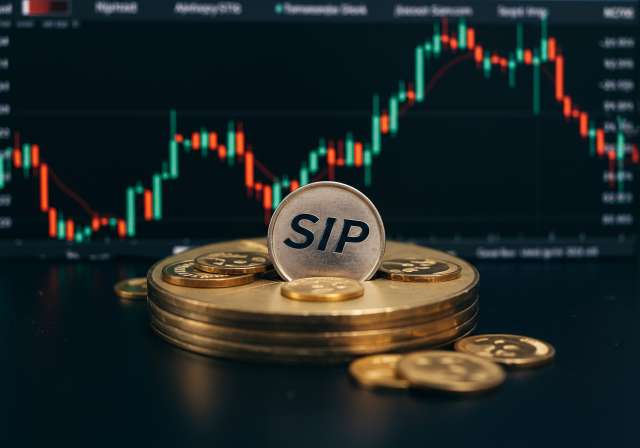
Master the Art of Trading in India: Learn essential strategies, understand market dynamics, and explore diverse investment options. Get started with confidence
Master the Art of Trading in India: Learn essential strategies, understand market dynamics, and explore diverse investment options. Get started with confidence and navigate the Indian stock market effectively. Find the best nse trading app for your needs.
Trading: A Comprehensive Guide for Indian Investors
Introduction to Trading in India
Trading, in its essence, is the act of buying and selling financial instruments with the aim of profiting from price fluctuations. In the Indian context, this primarily refers to trading stocks, bonds, commodities, currencies, and derivatives on exchanges like the National Stock Exchange (NSE) and the Bombay Stock Exchange (BSE). Whether you’re a seasoned investor or just starting your financial journey, understanding the basics of trading is crucial for wealth creation.
The Indian stock market has witnessed significant growth over the years, attracting a diverse range of participants – from individual retail investors to large institutional players. This dynamic environment offers ample opportunities for those who are willing to learn and adapt.
Understanding Key Concepts
Before diving into the world of trading, it’s essential to grasp some fundamental concepts:
- Equities (Stocks): Represent ownership in a company. Buying shares makes you a part-owner, entitled to a portion of the company’s profits (dividends) and voting rights.
- Derivatives: Financial contracts whose value is derived from an underlying asset (e.g., stocks, commodities, currencies). Common types include futures and options.
- Commodities: Raw materials or primary agricultural products that are traded on exchanges. Examples include gold, silver, crude oil, and agricultural produce.
- Currencies: The buying and selling of different currencies in the foreign exchange (forex) market.
- Indices: A benchmark that represents the overall performance of a group of stocks. In India, the Nifty 50 (NSE) and Sensex (BSE) are prominent indices.
- Initial Public Offering (IPO): When a private company offers shares to the public for the first time.
Different Trading Styles
There are various trading styles, each with its own time horizon, risk profile, and strategy. Here are a few common approaches:
Day Trading
Day traders aim to profit from intraday price movements. They buy and sell assets within the same trading day, closing out all positions before the market closes. This style requires significant time commitment, discipline, and a deep understanding of technical analysis.
Swing Trading
Swing traders hold positions for a few days or weeks, aiming to capture short-term price swings. They use both technical and fundamental analysis to identify potential trading opportunities.
Positional Trading
Positional traders hold positions for several weeks or months, focusing on longer-term trends. They rely heavily on fundamental analysis and macroeconomic factors.
Investing
While often used interchangeably, investing differs from trading. Investors typically have a long-term perspective, holding assets for years or even decades. They focus on the underlying value of the asset and aim for capital appreciation over time.
Technical Analysis vs. Fundamental Analysis
Two primary approaches are used to analyze financial instruments and make trading decisions:
Technical Analysis
Technical analysis involves studying past price and volume data to identify patterns and predict future price movements. Technical analysts use charts, indicators, and other tools to analyze market trends and generate trading signals. Some popular technical indicators include Moving Averages, Relative Strength Index (RSI), and MACD.
Fundamental Analysis
Fundamental analysis involves evaluating the intrinsic value of an asset by analyzing its financial statements, industry trends, and macroeconomic factors. Fundamental analysts aim to determine whether an asset is undervalued or overvalued, and make investment decisions accordingly. For stocks, key fundamental metrics include earnings per share (EPS), price-to-earnings (P/E) ratio, and debt-to-equity ratio.
Risk Management in Trading
Risk management is paramount in trading. Without proper risk management strategies, even the most skilled traders can suffer significant losses. Here are some key principles of risk management:
- Stop-Loss Orders: An order to automatically sell an asset if its price falls to a certain level. This helps to limit potential losses.
- Position Sizing: Determining the appropriate amount of capital to allocate to each trade. Avoid risking too much capital on any single trade. A common rule is to risk no more than 1-2% of your trading capital on a single trade.
- Diversification: Spreading your investments across different asset classes and sectors to reduce overall portfolio risk. Don’t put all your eggs in one basket.
- Risk-Reward Ratio: Assessing the potential profit (reward) relative to the potential loss (risk) for each trade. Aim for a risk-reward ratio of at least 1:2 or 1:3.
Trading Platforms and Tools in India
Several online trading platforms are available in India, offering a range of features and tools to facilitate trading. These platforms provide access to real-time market data, charting tools, order execution facilities, and research reports. When choosing a trading platform, consider factors such as brokerage fees, platform usability, features offered, and customer support.
Many brokers also offer mobile trading apps, allowing you to trade on the go. Some popular platforms include Zerodha, Upstox, Angel One, and Groww.
Choosing a reliable broker is crucial for a smooth trading experience. Research and compare different brokers based on brokerage charges, platform features, customer service, and regulatory compliance. A good broker should provide access to research reports, educational resources, and efficient order execution.
Selecting the right platform is crucial for a seamless trading experience. Many Indian brokers offer user-friendly mobile applications. When considering your options, keep in mind factors such as the fees associated with trading, how simple the platform is to use, the features available, and how good the customer support is. Some of the most used platforms include Zerodha’s Kite app and the Upstox Pro app.
Trading Psychology
Trading is not just about technical skills and knowledge; it also requires a strong understanding of your own emotions and biases. Fear and greed are two common emotions that can cloud judgment and lead to poor trading decisions.
Developing a disciplined trading plan and sticking to it is crucial for success. Avoid impulsive decisions based on emotions. Maintain a trading journal to track your trades, analyze your performance, and identify areas for improvement. Regular self-reflection can help you become a more disciplined and profitable trader.
Regulatory Framework in India
The Indian securities market is regulated by the Securities and Exchange Board of India (SEBI). SEBI’s role is to protect the interests of investors, promote the development of the securities market, and regulate its activities. It’s crucial to be aware of SEBI’s regulations and guidelines when trading in India.
SEBI has implemented various measures to ensure market integrity and protect investors, including regulations on insider trading, market manipulation, and fraudulent activities. All brokers and trading platforms operating in India are required to be registered with SEBI.
Alternative Investment Options
While trading can be a potentially lucrative activity, it’s important to remember that it also carries significant risks. For those seeking less volatile investment options, here are a few alternatives:
- Mutual Funds: Professionally managed investment funds that pool money from multiple investors to invest in a diversified portfolio of stocks, bonds, or other assets.
- Systematic Investment Plans (SIPs): A method of investing a fixed amount of money in a mutual fund at regular intervals. SIPs are a popular way to invest in the stock market without having to time the market.
- Exchange Traded Funds (ETFs): Similar to mutual funds, but traded on stock exchanges like individual stocks.
- Public Provident Fund (PPF): A government-backed savings scheme that offers tax benefits and a guaranteed rate of return.
- National Pension System (NPS): A retirement savings scheme that allows individuals to invest in a mix of equity, debt, and government bonds.
- Equity Linked Savings Scheme (ELSS): Tax-saving mutual funds that invest primarily in equities. Investments in ELSS qualify for tax deductions under Section 80C of the Income Tax Act.
Conclusion
Trading in the Indian stock market can be a rewarding experience, but it requires knowledge, discipline, and a well-defined strategy. By understanding the key concepts, adopting a suitable trading style, managing risk effectively, and staying informed about market developments, you can increase your chances of success. Remember that trading involves inherent risks, and it’s crucial to invest only what you can afford to lose. Consider seeking advice from a qualified financial advisor before making any investment decisions.
Whether you’re drawn to the fast-paced world of day trading or prefer a more long-term investment approach, the Indian stock market offers a diverse range of opportunities for those seeking to build wealth. With dedication, continuous learning, and a sound understanding of risk management, you can navigate the complexities of the market and achieve your financial goals.


