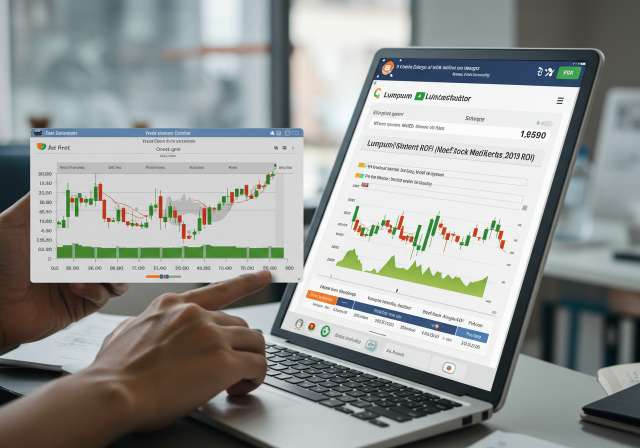
Confused about how to invest in the Indian stock market? Learn how to open an online account to buy shares in india. Demystify the process, choose the right bro
Confused about how to invest in the Indian stock market? Learn how to open an online account to buy shares in india. Demystify the process, choose the right broker, understand charges, and start your investment journey with confidence on the NSE and BSE.
Open Your Gateway to Wealth: A Guide to Online Share Trading in India
The Rise of Online Share Trading in India
The Indian stock market has witnessed a massive transformation in recent years, primarily driven by the accessibility and convenience of online trading platforms. Gone are the days when investing in shares required physical visits to brokerage houses and cumbersome paperwork. Today, with a few clicks on your smartphone or computer, you can participate in the vibrant world of the equity markets. This democratization of access has empowered millions of Indians to take control of their financial futures and build wealth through strategic investments.
The growing popularity of online share trading can be attributed to several factors:
- Convenience and Accessibility: Online platforms offer unparalleled convenience, allowing you to trade anytime, anywhere, provided you have an internet connection.
- Lower Brokerage Fees: Online brokers typically charge significantly lower brokerage fees compared to traditional full-service brokers, making investing more affordable.
- Real-Time Information: Online platforms provide access to real-time market data, news, and analysis, enabling informed decision-making.
- Ease of Use: Modern trading platforms are designed with user-friendliness in mind, making them accessible even to novice investors.
- Transparency: Online platforms offer transparent pricing and reporting, allowing you to track your investments and understand the associated costs.
Understanding the Basics: Demat and Trading Accounts
Before you embark on your online share trading journey, it’s crucial to understand the fundamental concepts of Demat and Trading accounts. These are the two essential components required to buy and sell shares electronically in India.
What is a Demat Account?
A Demat account, short for Dematerialization account, is an electronic repository where your shares are held in dematerialized (electronic) form. It’s similar to a bank account, but instead of holding money, it holds your shares. In India, Demat accounts are regulated by the Securities and Exchange Board of India (SEBI) and are typically opened with a Depository Participant (DP). Central Depository Services Limited (CDSL) and National Securities Depository Limited (NSDL) are the two main depositories in India.
What is a Trading Account?
A Trading account is an account that allows you to buy and sell shares on the stock exchanges (NSE and BSE). It acts as an intermediary between your bank account and your Demat account. When you buy shares, the funds are debited from your trading account, and the shares are credited to your Demat account. Conversely, when you sell shares, they are debited from your Demat account, and the proceeds are credited to your trading account.
Think of it this way: your Demat account is like a safe where you store your shares, and your trading account is like a wallet you use to buy and sell those shares.
Opening an Online Account to Buy Shares in India: A Step-by-Step Guide
Opening an online trading account is a straightforward process. Here’s a detailed guide to help you navigate the steps:
- Choose a Broker: Selecting the right broker is the first and most crucial step. Consider factors such as brokerage fees, trading platform features, research and advisory services, customer support, and the range of investment options offered. Popular online brokers in India include Zerodha, Groww, Upstox, Angel One, and ICICI Direct. Full-service brokers typically offer research and advisory services, while discount brokers focus on providing a low-cost trading platform.
- Complete the KYC (Know Your Customer) Process: SEBI mandates that all brokers conduct KYC verification to prevent money laundering and ensure the integrity of the financial system. You will need to provide the following documents:
- Proof of Identity: Aadhaar card, PAN card, passport, or voter ID.
- Proof of Address: Aadhaar card, passport, utility bill, or bank statement.
- PAN Card: PAN card is mandatory for trading in the Indian stock market.
- Bank Account Details: You will need to provide details of your bank account, including the account number, IFSC code, and a cancelled cheque.
The KYC process can be completed online through e-KYC using Aadhaar OTP or offline by submitting physical documents to the broker.
- Open a Demat and Trading Account: Once your KYC is verified, the broker will open your Demat and trading accounts. You will receive login credentials (username and password) for accessing the trading platform.
- Fund Your Trading Account: Before you can start trading, you need to fund your trading account. You can transfer funds online through net banking, UPI, or other payment methods offered by the broker.
- Start Trading: Once your account is funded, you can start buying and selling shares. Use the trading platform to search for the stocks you want to trade, place your orders, and monitor your portfolio.
Factors to Consider When Choosing a Broker
Selecting the right broker is crucial for a successful online trading experience. Here are some key factors to consider:
- Brokerage Fees: Compare the brokerage fees charged by different brokers. Some brokers charge a percentage of the transaction value, while others offer a flat fee per trade. Choose a broker that offers a fee structure that aligns with your trading frequency and volume. Many discount brokers offer zero brokerage for equity delivery trades.
- Trading Platform: Evaluate the features and user-friendliness of the trading platform. The platform should be reliable, easy to navigate, and offer real-time market data, charting tools, and order management features. Mobile trading apps are essential for trading on the go.
- Research and Advisory Services: If you are a beginner, consider brokers that offer research reports, investment recommendations, and educational resources to help you make informed decisions. Full-service brokers typically provide more comprehensive research services than discount brokers.
- Customer Support: Ensure that the broker offers reliable customer support through phone, email, or chat. Prompt and helpful customer support can be invaluable, especially when you encounter technical issues or have questions about your account.
- Range of Investment Options: Check if the broker offers access to a wide range of investment options, including equities, derivatives, mutual funds, IPOs, and bonds. This will allow you to diversify your portfolio and invest in different asset classes.
- Account Opening Charges and Maintenance Fees: Be aware of any account opening charges and annual maintenance fees (AMC) associated with the Demat and trading accounts.
- Margin and Leverage: Understand the margin and leverage facilities offered by the broker. While leverage can amplify your profits, it can also magnify your losses. Use leverage cautiously and only if you fully understand the risks involved.
Understanding Brokerage Charges and Other Fees
In addition to brokerage fees, there are other charges associated with online share trading in India. These include:
- Securities Transaction Tax (STT): A tax levied by the government on transactions done on the stock exchanges.
- Goods and Services Tax (GST): A tax levied on brokerage and other services provided by the broker.
- Stamp Duty: A tax levied by the state government on the transfer of securities.
- SEBI Turnover Fees: A fee charged by SEBI for regulating the stock market.
- Exchange Transaction Charges: A fee charged by the stock exchanges (NSE and BSE) for facilitating trading.
- Demat Transaction Charges: Charges levied by the depository participant (CDSL or NSDL) for debiting and crediting shares to your Demat account.
It’s essential to understand these charges and factor them into your trading decisions. Choose a broker that offers transparent pricing and provides a detailed breakdown of all applicable fees.
Beyond Shares: Exploring Other Investment Options
While buying shares directly is a popular investment option, the Indian financial market offers a wide array of investment instruments to suit different risk appetites and financial goals. Here are a few examples:
- Mutual Funds: Mutual funds are investment vehicles that pool money from multiple investors to invest in a diversified portfolio of stocks, bonds, or other assets. They are managed by professional fund managers and offer a convenient way to diversify your investments. You can invest in mutual funds through Systematic Investment Plans (SIPs) or lump-sum investments.
- Equity Linked Savings Scheme (ELSS): ELSS funds are a type of mutual fund that offers tax benefits under Section 80C of the Income Tax Act. Investments in ELSS are eligible for a deduction of up to ₹1.5 lakh per financial year.
- Public Provident Fund (PPF): PPF is a government-backed savings scheme that offers a fixed interest rate and tax benefits. It’s a popular choice for long-term retirement savings.
- National Pension System (NPS): NPS is a retirement savings scheme that allows you to invest in a mix of equity, debt, and government bonds. It offers tax benefits and is regulated by the Pension Fund Regulatory and Development Authority (PFRDA).
- Sovereign Gold Bonds (SGBs): SGBs are government-issued bonds that are linked to the price of gold. They offer a safe and convenient way to invest in gold without having to physically hold the metal.
Tips for Successful Online Share Trading
Here are some tips to help you succeed in the world of online share trading:
- Start Small: Begin with a small amount of capital and gradually increase your investments as you gain experience and confidence.
- Do Your Research: Before investing in any stock, conduct thorough research on the company’s fundamentals, financial performance, and industry outlook.
- Diversify Your Portfolio: Don’t put all your eggs in one basket. Diversify your investments across different sectors and asset classes to reduce risk.
- Set Realistic Goals: Don’t expect to get rich quick. Set realistic investment goals and be patient.
- Manage Your Risk: Use stop-loss orders to limit your potential losses and protect your capital.
- Stay Informed: Keep up-to-date with market news, economic trends, and company announcements.
- Control Your Emotions: Don’t let emotions like fear and greed influence your trading decisions. Stick to your investment strategy and avoid impulsive trades.
- Review Your Portfolio Regularly: Monitor your portfolio performance and make adjustments as needed to stay on track with your financial goals.
Conclusion
Opening an online account to buy shares in India is a relatively simple process that can unlock a world of investment opportunities. By carefully choosing a broker, understanding the basics of Demat and trading accounts, and following the tips outlined in this guide, you can embark on a successful journey towards building wealth in the Indian stock market. Remember to invest wisely, stay informed, and always prioritize your financial well-being. Happy investing!