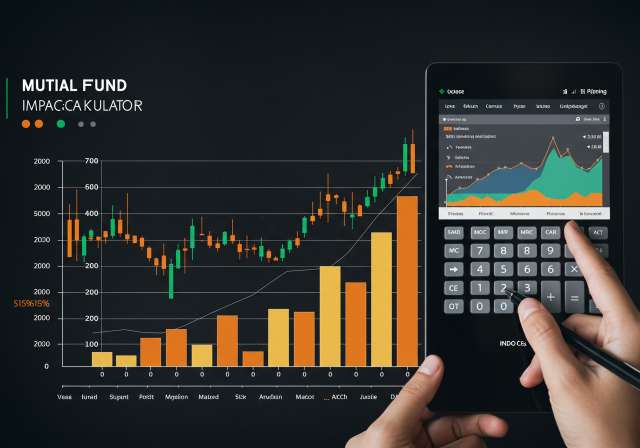
Confused about choosing the best options trading app in India? Dive into our comprehensive guide comparing features, brokerage charges, user interface, and more
Confused about choosing the best options trading app in India? Dive into our comprehensive guide comparing features, brokerage charges, user interface, and more. Start smart options trading today!
Best Options Trading App in India: A Comprehensive Guide
Navigating the World of Options Trading in India
The Indian stock market, with its robust indices like the Nifty 50 and Sensex, offers numerous opportunities for investors to grow their wealth. Among the various trading strategies, options trading stands out as a potentially lucrative, yet complex, avenue. Options, regulated by SEBI, offer the right, but not the obligation, to buy or sell an underlying asset at a predetermined price within a specified timeframe. For seasoned investors and newcomers alike, understanding the nuances of options trading is crucial. Choosing the right platform is paramount to success.
This guide aims to provide a comprehensive overview of options trading in India, focusing on the critical role of an effective trading app. We will delve into the key features to look for, compare leading platforms, and offer insights to help you make an informed decision. Remember, trading involves risk, and it’s essential to consult with a financial advisor before making any investment decisions.
Why You Need a Dedicated Trading App for Options
Gone are the days of relying solely on desktop trading terminals. Today, a mobile-first approach is essential, especially for fast-paced derivatives trading. An options trading app provides several advantages:
- Real-time Market Data: Access live price feeds, charts, and analysis directly on your smartphone.
- On-the-Go Trading: Execute trades from anywhere, whether you’re commuting, traveling, or simply away from your computer.
- Quick Order Placement: Efficiently place buy or sell orders with minimal delay, crucial for capturing fleeting opportunities.
- Portfolio Monitoring: Keep a close eye on your open positions, profit and loss statements, and margin requirements.
- Alerts and Notifications: Receive timely notifications about price movements, order executions, and other important events.
- Ease of Use: A well-designed app offers a user-friendly interface, making it easy to navigate complex options chains and trading tools.
Key Features to Look for in an Options Trading App
Not all trading apps are created equal. When choosing an options trading app, consider the following features:
1. User Interface and Experience (UI/UX)
The app should be intuitive and easy to navigate, even for beginners. Look for a clean design, clear labeling, and responsive performance. A cluttered interface can lead to errors and missed opportunities.
2. Options Chain Analysis Tools
A comprehensive options chain is vital for analyzing strike prices, premiums, and implied volatility. The app should allow you to easily view and filter options based on various criteria. Features like Greeks (Delta, Gamma, Theta, Vega) display are essential for understanding the risk and potential reward of each option.
3. Advanced Charting Capabilities
Technical analysis is crucial for options trading. The app should offer a wide range of charting tools, including indicators, drawing tools, and customizable timeframes. Look for features like candlestick charts, moving averages, RSI, MACD, and Fibonacci retracements.
4. Order Types and Execution
The app should support various order types, including market orders, limit orders, stop-loss orders, and bracket orders. Efficient order execution is critical for minimizing slippage and maximizing profits.
5. Risk Management Tools
Options trading can be risky, so it’s essential to use risk management tools. The app should offer features like stop-loss orders, position sizing calculators, and margin alerts.
6. Real-time Market Data and News
Access to real-time market data and news is crucial for making informed trading decisions. The app should provide live price feeds, news headlines, and economic calendars.
7. Brokerage Charges and Fees
Brokerage charges can significantly impact your profitability. Compare the brokerage fees of different apps and choose one that offers competitive rates. Consider hidden fees and other charges as well.
8. Security and Reliability
Security is paramount when dealing with financial transactions. Ensure the app uses robust security measures to protect your account and personal information. Look for features like two-factor authentication and encryption.
9. Customer Support
Reliable customer support is essential in case you encounter any issues. The app should offer multiple channels for customer support, such as phone, email, and chat.
10. Paper Trading/Virtual Trading
Before risking real money, consider using a paper trading or virtual trading account. This allows you to practice your strategies and familiarize yourself with the app’s features without any financial risk. Many brokers offer virtual trading accounts with realistic market conditions.
Comparing Popular Options Trading Apps in India
Several options trading platforms are available in India. Here’s a brief comparison of some popular choices:
- Zerodha Kite: Known for its simple interface, low brokerage fees (₹20 per order), and robust charting tools. Offers options chain analysis and direct access to NSE and BSE.
- Upstox Pro: Another popular discount broker with a user-friendly app and competitive brokerage charges (also ₹20 per order). Provides options strategy builders and advanced charting features.
- Angel One: Offers a full-service brokerage experience with research reports, advisory services, and a user-friendly app. Brokerage charges may be higher than discount brokers.
- Groww: A beginner-friendly app with a simple interface and easy-to-understand features. Offers both direct equity and mutual fund investments, along with options trading.
- 5paisa: Another discount broker with a flat brokerage fee of ₹20 per order. Offers options strategy builders and margin funding.
Disclaimer: Brokerage charges and features are subject to change. Please refer to the respective broker’s website for the most up-to-date information.
Understanding Key Concepts for Options Trading
Before diving into options trading, it’s crucial to understand the fundamental concepts:
- Call Option: Gives the buyer the right, but not the obligation, to buy an underlying asset at a specific price (strike price) on or before a specific date (expiration date).
- Put Option: Gives the buyer the right, but not the obligation, to sell an underlying asset at a specific price (strike price) on or before a specific date (expiration date).
- Strike Price: The price at which the underlying asset can be bought or sold if the option is exercised.
- Expiration Date: The date on which the option expires.
- Premium: The price paid by the buyer to the seller for the option.
- Intrinsic Value: The difference between the strike price and the current market price of the underlying asset, if the option were exercised immediately.
- Time Value: The portion of the option’s premium that is attributable to the time remaining until expiration.
- Delta: Measures the sensitivity of the option price to changes in the price of the underlying asset.
- Gamma: Measures the rate of change of Delta with respect to changes in the price of the underlying asset.
- Theta: Measures the rate of decay of the option’s value over time.
- Vega: Measures the sensitivity of the option price to changes in implied volatility.
Tips for Successful Options Trading
Options trading can be rewarding, but it requires discipline, knowledge, and a well-defined strategy. Here are some tips to help you succeed:
- Educate Yourself: Thoroughly understand the concepts of options trading before risking any real money. Read books, articles, and online resources. Consider taking a course or workshop.
- Develop a Trading Plan: Define your goals, risk tolerance, and trading strategy. Determine your entry and exit points, and stick to your plan.
- Manage Your Risk: Use stop-loss orders to limit your potential losses. Don’t risk more than you can afford to lose.
- Start Small: Begin with a small amount of capital and gradually increase your position size as you gain experience.
- Monitor Your Positions: Regularly monitor your open positions and adjust your strategy as needed.
- Stay Informed: Keep up-to-date with market news and economic events.
- Control Your Emotions: Don’t let your emotions influence your trading decisions. Avoid impulsive actions based on fear or greed.
- Consider Consulting a Financial Advisor: If you’re unsure about options trading, consider consulting with a qualified financial advisor.
Beyond the App: Holistic Financial Planning for Indians
While an options trading app is a tool, it’s crucial to consider it within a broader financial planning context. Indians have several avenues for building a strong financial future, and options trading should be just one part of a diversified strategy. Here are some key investment options:
- Equity Markets: Investing directly in stocks listed on NSE and BSE can provide long-term growth potential. Remember to diversify your portfolio across different sectors.
- Mutual Funds: A diversified portfolio managed by professionals. SIP (Systematic Investment Plan) allows regular investments, mitigating market timing risks. ELSS (Equity Linked Savings Scheme) offers tax benefits under Section 80C of the Income Tax Act.
- Debt Instruments: Bonds, debentures, and fixed deposits offer lower returns but are less risky than equities.
- PPF (Public Provident Fund): A government-backed scheme offering tax benefits and a guaranteed return.
- NPS (National Pension System): A retirement savings scheme offering tax benefits and market-linked returns.
- Real Estate: A tangible asset that can provide rental income and capital appreciation.
- Gold: A traditional hedge against inflation and economic uncertainty. Investment options include physical gold, gold ETFs, and sovereign gold bonds.
Remember to tailor your investment strategy to your individual circumstances, financial goals, and risk tolerance. Diversification is key to mitigating risk and maximizing returns over the long term.
Conclusion: Empowering Your Options Trading Journey
Choosing the right options trading app is a crucial step towards success in the dynamic world of derivatives trading. By considering the key features, comparing different platforms, and understanding the underlying concepts, you can make an informed decision that aligns with your trading style and financial goals. The best options trading app will empower you to analyze market data, execute trades efficiently, and manage your risk effectively. Always remember to trade responsibly and seek professional advice when needed. Happy trading!