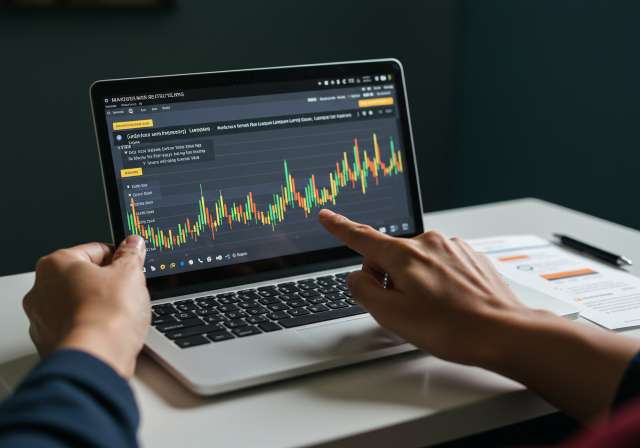
Unlock the secrets of intraday trading in India. Learn strategies, risks, and tips for navigating the NSE & BSE. Is it right for you? Discover now! Intraday Tra
Unlock the secrets of intraday trading in India. Learn strategies, risks, and tips for navigating the NSE & BSE. Is it right for you? Discover now!
Intraday Trading: A Comprehensive Guide for Indian Investors
Introduction: Decoding Intraday Trading in the Indian Market
The allure of quick profits and the fast-paced nature of the stock market have drawn many Indian investors to the world of intraday trading. But what exactly is it, and is it a suitable strategy for you? This comprehensive guide will delve into the intricacies of intraday trading in the Indian context, focusing on the NSE (National Stock Exchange) and BSE (Bombay Stock Exchange), while keeping in mind the regulatory framework set by SEBI (Securities and Exchange Board of India).
What is Intraday Trading?
Intraday trading, also known as day trading, involves buying and selling stocks within the same trading day. The goal is to profit from small price movements throughout the day, capitalizing on market volatility. Unlike long-term investors who hold assets for months or years, intraday traders close all their positions before the market closes, typically at 3:30 PM IST. This eliminates overnight risk associated with potential adverse news or market fluctuations that can occur outside of trading hours.
Key Differences: Intraday Trading vs. Delivery Trading
It’s crucial to distinguish intraday trading from delivery trading. In delivery trading, you purchase shares with the intention of holding them for more than one day. You become a shareholder of the company and can hold the shares in your Demat account for as long as you like. Conversely, intraday trading involves no actual delivery of shares. You are essentially speculating on price movements, not investing in the underlying value of the company. This distinction has significant implications for capital requirements, risk management, and potential profits.
Essential Elements for Successful Intraday Trading
Success in intraday trading requires more than just luck. It demands a disciplined approach, a deep understanding of market dynamics, and a well-defined trading strategy. Here are some key elements to consider:
1. Market Knowledge and Research
Thorough market research is paramount. Intraday traders need to stay updated on market news, economic indicators, and company-specific announcements. Understanding technical analysis, including chart patterns, indicators like Moving Averages, RSI (Relative Strength Index), and MACD (Moving Average Convergence Divergence), is also crucial for identifying potential trading opportunities. Many platforms like Zerodha, Upstox, and Angel One provide tools and resources for technical analysis.
2. Trading Plan and Strategy
A well-defined trading plan is non-negotiable. This plan should outline your entry and exit points, stop-loss orders, and target profits. Without a plan, you are essentially gambling. Common intraday trading strategies include:
- Trend Following: Identifying and riding existing trends in the market.
- Breakout Trading: Capitalizing on price breakouts above resistance levels or below support levels.
- Reversal Trading: Identifying potential trend reversals and trading against the prevailing trend.
- Scalping: Making small profits from numerous small trades throughout the day.
3. Risk Management
Risk management is the cornerstone of successful trading. Never risk more than you can afford to lose. Implement stop-loss orders to limit potential losses on each trade. A common rule of thumb is to risk no more than 1-2% of your trading capital on any single trade. Position sizing is also important – avoid over-leveraging your account.
4. Discipline and Emotional Control
Emotional control is perhaps the most challenging aspect of intraday trading. Fear and greed can lead to impulsive decisions and poor judgment. Stick to your trading plan, even when emotions are running high. Avoid chasing losses or getting overly confident after a winning streak. Maintaining discipline is key to long-term success. One way to improve discipline is to journal your trades, noting your rationale and emotional state.
5. Capital and Leverage
Intraday trading often involves the use of leverage, which allows you to control a larger position with a smaller amount of capital. While leverage can amplify profits, it also magnifies losses. SEBI has implemented regulations to limit leverage offered by brokers to protect retail investors. It’s crucial to understand the risks associated with leverage and use it prudently. Starting with a small capital base is advisable until you gain experience and confidence. Remember that intraday margin requirements can vary depending on the broker and the stock.
Tools and Platforms for Intraday Trading in India
Several online trading platforms cater specifically to Indian intraday traders. These platforms offer a range of features, including real-time market data, charting tools, order execution capabilities, and research reports. Popular platforms include:
- Zerodha Kite
- Upstox Pro
- Angel One
- ICICI Direct Trader
- HDFC Securities ProTerminal
Choosing the right platform depends on your individual needs and preferences. Consider factors such as brokerage fees, platform usability, available features, and customer support. Many brokers offer demo accounts, allowing you to test the platform before committing real capital.
The Risks of Intraday Trading
While the potential for quick profits is enticing, intraday trading is inherently risky. Here are some of the key risks to be aware of:
- High Volatility: Market volatility can lead to rapid price swings, resulting in unexpected losses.
- Leverage Risk: Leverage amplifies both profits and losses.
- Emotional Trading: Fear and greed can cloud judgment and lead to poor decisions.
- Brokerage and Taxes: Frequent trading can result in significant brokerage fees and taxes, eroding profits.
- Time Commitment: Intraday trading requires significant time and attention.
Is Intraday Trading Right for You?
Intraday trading is not for everyone. It requires a specific skillset, a disciplined approach, and a high tolerance for risk. Consider the following factors before deciding if it’s right for you:
- Financial Situation: Can you afford to lose the capital you are allocating to intraday trading?
- Time Availability: Do you have the time to dedicate to market research and monitoring trades throughout the day?
- Risk Tolerance: Are you comfortable with the high level of risk associated with intraday trading?
- Emotional Stability: Can you control your emotions and stick to your trading plan, even in the face of losses?
If you are new to the stock market, it’s generally advisable to start with long-term investing strategies such as investing in mutual funds through SIPs (Systematic Investment Plans) or exploring options like ELSS (Equity Linked Savings Scheme) for tax benefits, or even considering safer options like PPF (Public Provident Fund) or NPS (National Pension System). Gaining experience and knowledge through these avenues can help you better understand market dynamics before venturing into the more challenging world of intraday trading. The thrill of potentially high gains in intraday trading should not overshadow the importance of responsible financial planning and prudent risk management.
SEBI Regulations and Intraday Trading
SEBI plays a crucial role in regulating the Indian stock market and protecting investors. SEBI has implemented various measures to address the risks associated with intraday trading, including:
- Margin Requirements: SEBI sets margin requirements to limit leverage offered by brokers.
- Surveillance Measures: SEBI monitors market activity to detect and prevent market manipulation.
- Investor Education: SEBI conducts investor education programs to raise awareness about the risks of trading.
It’s essential to be aware of SEBI regulations and ensure that you are trading with a registered broker. Compliance with SEBI guidelines is crucial for protecting your interests and ensuring fair market practices.
Conclusion: Proceed with Caution
Intraday trading can be a potentially lucrative but also highly risky endeavor. Success requires a combination of knowledge, discipline, and emotional control. Before diving into the world of intraday trading, carefully assess your risk tolerance, financial situation, and time availability. Start with a small capital base, develop a solid trading plan, and always prioritize risk management. If you’re unsure, consider seeking advice from a qualified financial advisor. Remember, responsible investing and understanding your risk appetite are paramount in the Indian stock market.