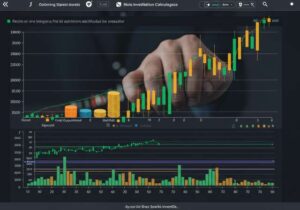
Looking for the best zero brokerage trading platform in India? Compare top stock brokers offering ₹0 brokerage accounts for trading in stocks, futures, option
Looking for the best zero brokerage trading platform in India? Compare top stock brokers offering ₹0 brokerage accounts for trading in stocks, futures, options, and IPOs. Maximize your returns today!
Find the Best Zero Brokerage Trading Platform in India
Introduction: The Rise of Zero Brokerage Trading
The Indian stock market landscape has undergone a significant transformation in recent years, largely driven by the advent of zero brokerage trading platforms. Traditionally, brokerage charges used to eat into a substantial portion of investor profits, especially for frequent traders. However, the emergence of disruptive fintech companies offering zero-commission trading has democratized access to the equity markets, making investing more affordable and appealing to a wider range of individuals.
This shift has led to a surge in new Demat account openings and increased participation in the National Stock Exchange (NSE) and Bombay Stock Exchange (BSE). Young investors, in particular, are drawn to the cost-effectiveness and user-friendly interfaces of these platforms. This article delves into the details of zero brokerage trading, exploring its benefits, potential drawbacks, and highlighting some of the leading platforms available to Indian investors.
Understanding Zero Brokerage: What Does It Really Mean?
While the term “zero brokerage” implies no charges on trades, it’s important to understand the nuances. Typically, zero brokerage applies to equity delivery trades – meaning buying and holding stocks for the long term. Other segments like intraday trading, futures and options (F&O), and commodities might still attract brokerage charges, albeit at a significantly lower rate than traditional brokers.
Furthermore, regulatory charges like Securities Transaction Tax (STT), Goods and Services Tax (GST), SEBI fees, and stamp duty remain applicable regardless of the brokerage plan. These are statutory levies imposed by the government and regulatory bodies and are unavoidable. Therefore, a comprehensive understanding of all applicable charges is crucial before choosing a trading platform.
Hidden Costs and Charges to Watch Out For:
- Account Maintenance Charges (AMC): Some platforms may levy an annual fee for maintaining your Demat and trading account. Check the AMC structure carefully.
- Platform Fees: Certain platforms may charge a monthly or quarterly fee for accessing their trading tools and features.
- Call & Trade Charges: If you prefer placing trades over the phone, be aware of any additional charges associated with this service.
- Demat Debit Transaction Charges (DDTC): When you sell shares from your Demat account, a small fee may be charged per transaction.
Benefits of Trading with a Zero Brokerage Platform
The advantages of using a zero-brokerage trading platform are numerous, especially for investors who trade frequently or are just starting their investment journey:
- Cost Savings: The most obvious benefit is the significant reduction in trading costs. Eliminating brokerage charges can substantially boost your returns, particularly for active traders.
- Increased Profitability: With lower trading costs, you can potentially achieve higher profits on your investments. This is especially beneficial for short-term traders and those who engage in swing trading.
- Encourages Disciplined Investing: The lower cost encourages investors to take small steps and learn the ropes of investing without the heavy burden of brokerage fees.
- Transparency: Most zero-brokerage platforms offer transparent pricing structures, making it easier for investors to understand all applicable charges.
- Accessibility: Zero-brokerage platforms have made investing more accessible to a wider range of individuals, regardless of their investment budget.
Key Features to Consider When Choosing a Zero Brokerage Platform
Selecting the right zero brokerage trading platform requires careful consideration of various factors. Here are some key features to evaluate:
- Platform Usability: The platform should be user-friendly and intuitive, with a clean interface and easy navigation. This is crucial for both beginners and experienced traders.
- Trading Tools and Features: Look for platforms that offer a range of trading tools and features, such as charting tools, technical indicators, real-time market data, and order types.
- Mobile App Availability: A robust and reliable mobile app is essential for trading on the go. The app should offer all the features available on the desktop platform.
- Customer Support: Evaluate the quality of customer support offered by the platform. Look for responsive and knowledgeable support channels, such as phone, email, and chat.
- Security: Ensure that the platform has robust security measures in place to protect your account and personal information. Two-factor authentication and data encryption are essential security features.
- Research and Analysis: Some platforms offer research reports, analysis tools, and expert insights to help investors make informed decisions.
- Investment Options: Check the range of investment options available on the platform. Ensure that it offers access to the asset classes you are interested in, such as equities, mutual funds, IPOs, and derivatives.
- Account Opening Process: The account opening process should be quick, easy, and paperless.
Top Zero Brokerage Trading Platforms in India (Not a Recommendation, for Informational Purposes Only)
Several platforms offer zero brokerage trading in India. It is crucial to research and compare these platforms based on your individual needs and investment goals. Some popular options include (This list is for informational purposes only and does not constitute a recommendation):
- Zerodha: A popular platform known for its low brokerage charges and user-friendly interface.
- Upstox: Another well-known platform offering zero brokerage for equity delivery and competitive rates for other segments.
- Groww: A platform focused on simplicity and ease of use, particularly for beginners.
- Angel One: While not entirely zero brokerage, Angel One offers competitive brokerage plans and a wide range of features.
- 5paisa: Offers a flat fee brokerage model, which can be advantageous for high-volume traders.
It’s important to remember that the “best zero brokerage trading platform” depends on your individual trading style, investment goals, and preferences. Each platform has its own strengths and weaknesses, so it’s crucial to conduct thorough research and compare them based on your specific needs. Consider opening demo accounts or taking advantage of free trials to experience the platform’s features and usability before committing to a particular broker.
Beyond Zero Brokerage: Other Factors to Consider
While zero brokerage is a significant advantage, it’s crucial to consider other factors that can impact your overall investment experience. These include:
Platform Reliability and Stability:
A reliable and stable trading platform is essential for executing trades efficiently and avoiding potential losses. Look for platforms with a proven track record of uptime and minimal technical issues.
Fund Transfer Options:
The platform should offer convenient and secure fund transfer options, such as UPI, net banking, and NEFT/RTGS. Ensure that the fund transfer process is seamless and hassle-free.
Margin Trading Facility:
If you plan to engage in margin trading, check the platform’s margin policies and interest rates. Be aware of the risks associated with margin trading and use it responsibly.
Investment in Mutual Funds and Other Assets:
Check if the platform allows you to invest in other asset classes like mutual funds, IPOs, bonds, and gold. Many platforms offer a comprehensive investment ecosystem, allowing you to diversify your portfolio within a single platform.
Tax Reporting and Compliance:
A good platform should provide comprehensive tax reporting tools and assistance to help you comply with tax regulations. Look for platforms that generate accurate and detailed tax reports for easy filing.
Zero Brokerage and Long-Term Investing: SIPs, ELSS, PPF, and NPS
Zero brokerage particularly benefits long-term investors who utilize strategies like Systematic Investment Plans (SIPs) in equity mutual funds or Equity Linked Savings Schemes (ELSS) for tax saving under Section 80C. By eliminating brokerage charges on these investments, investors can maximize their returns over the long term. Furthermore, while direct equity trading might be zero brokerage, most platforms offer a commission-free route to investing in direct mutual funds, allowing investors to bypass the expense ratios associated with regular funds.
However, it’s important to note that investments in Public Provident Fund (PPF) and National Pension System (NPS) are typically managed directly through banks or designated financial institutions and are not directly impacted by zero brokerage trading platforms. Nevertheless, the overall increased awareness and accessibility of investing fostered by these platforms can encourage individuals to explore and allocate a portion of their savings to these long-term investment options as well.
Conclusion: Making an Informed Choice
The advent of zero brokerage trading has revolutionized the Indian stock market, making it more accessible and affordable for investors of all levels. While the lure of zero commission is attractive, it’s crucial to look beyond the headline and carefully evaluate the platform’s features, charges, and overall suitability to your investment needs. Conduct thorough research, compare different platforms, and choose the one that aligns with your trading style, investment goals, and risk tolerance. Remember that investing involves inherent risks, and it’s essential to invest responsibly and make informed decisions.