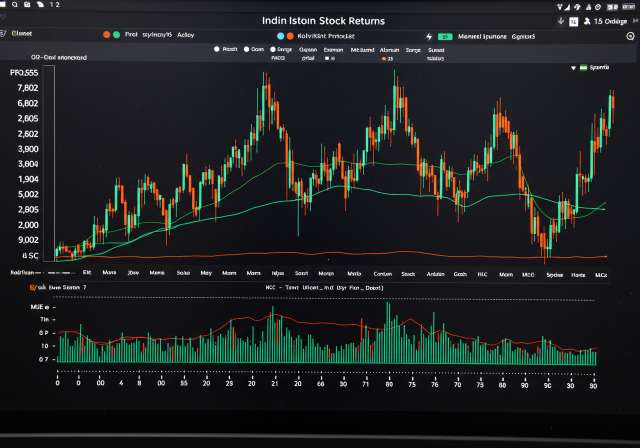
Choosing the best stock broker in India? Navigate the world of Demat accounts, brokerage fees, and trading platforms. Find the right fit for your investment jou
Choosing the best stock broker in India? Navigate the world of Demat accounts, brokerage fees, and trading platforms. Find the right fit for your investment journey with our expert guide. Compare brokers and start trading today!
Finding Your Perfect Match: A Guide to Stock Brokers in India
Introduction: Embarking on Your Investment Journey
The Indian stock market offers tremendous potential for wealth creation, but navigating its intricacies requires the right tools and support. A crucial first step is choosing the right stock broker, your gateway to accessing the equity markets, mutual funds, and other investment avenues. Selecting the appropriate broker can significantly impact your trading experience, profitability, and overall investment success. With a plethora of options available, understanding the key factors to consider is paramount. This guide will equip you with the knowledge to make an informed decision and select a stock broker that aligns with your individual needs and investment goals, allowing you to confidently participate in the thriving Indian financial landscape, from the NSE to the BSE.
Understanding Your Investment Needs
Before diving into the specifics of different brokers, it’s essential to take stock (pun intended!) of your personal investment profile. Ask yourself these questions:
- What is your investment experience level? Are you a complete beginner, an intermediate trader, or a seasoned investor? Your experience will influence the type of platform, research resources, and support you’ll need.
- What is your investment style? Do you prefer long-term investing, short-term trading, or a combination of both? Different brokers cater to different trading styles.
- What types of instruments do you want to trade? Are you solely interested in equities, or do you also want to invest in derivatives (futures and options), commodities, currencies, or mutual funds? Ensure the broker offers access to the instruments you desire.
- What is your budget for trading? Your trading frequency and the size of your trades will impact your brokerage costs.
- What are your risk tolerance and financial goals? Understanding your risk appetite will help you choose investments that align with your comfort level and long-term objectives. Are you aiming for capital appreciation, regular income, or a mix of both?
Key Factors to Consider When Choosing a Stock Broker
Once you have a clear understanding of your investment needs, you can start evaluating different stock brokers based on the following factors:
1. Regulatory Compliance and Security
The most critical factor is ensuring that the broker is registered with the Securities and Exchange Board of India (SEBI). SEBI registration provides a level of security and regulatory oversight, protecting your investments and ensuring fair practices. Verify the broker’s registration details on the SEBI website. Also, consider the security measures the broker employs to protect your account and personal information, such as two-factor authentication and encryption.
2. Brokerage Fees and Charges
Brokerage fees can significantly impact your overall returns, especially if you trade frequently. Compare the brokerage rates of different brokers carefully. There are typically two types of brokerage models:
- Percentage-based brokerage: The broker charges a percentage of the transaction value (e.g., 0.1% of the trade value).
- Flat-fee brokerage: The broker charges a fixed fee per trade, regardless of the transaction value (e.g., ₹20 per trade).
Consider your trading frequency and the size of your trades to determine which model is more cost-effective for you. Also, be aware of other charges, such as account maintenance fees, Demat account charges, and transaction charges.
3. Trading Platform and Technology
The trading platform is your primary interface with the stock market. A user-friendly, reliable, and feature-rich platform can significantly enhance your trading experience. Look for features such as:
- Real-time market data and charts: Access to up-to-date market information is crucial for making informed trading decisions.
- Order placement options: Different order types (e.g., market orders, limit orders, stop-loss orders) allow you to control your trades and manage risk.
- Technical analysis tools: Charts, indicators, and other technical analysis tools can help you identify potential trading opportunities.
- Mobile trading app: A mobile app allows you to trade on the go and stay connected to the market from anywhere.
Many brokers offer demo accounts that allow you to test their trading platform before committing. Take advantage of these demo accounts to familiarize yourself with the platform’s features and functionality.
4. Research and Advisory Services
Access to quality research and advisory services can be invaluable, especially for new investors. Some brokers provide research reports, stock recommendations, and expert advice to help you make informed investment decisions. Evaluate the quality and objectivity of the research provided. Consider whether the broker’s research aligns with your investment style and risk tolerance.
5. Customer Support
Reliable and responsive customer support is essential, especially when you encounter issues or have questions about your account or trading platform. Check the broker’s customer support channels (e.g., phone, email, chat) and their responsiveness. Read reviews from other customers to get an idea of their customer service experience.
6. Account Types and Features
Ensure the broker offers the type of account you need. This includes individual Demat accounts, joint accounts, and corporate accounts. Also, consider the features offered, such as margin trading, IPO applications, and access to different exchanges (NSE, BSE).
7. Demat Account Services
A Demat account is essential for holding securities in electronic form. The broker’s Demat account services should be reliable and efficient. Check the Demat account charges, transaction fees, and the ease of transferring securities in and out of the account.
Top Stock Brokers in India: A Comparative Overview
While providing specific recommendations would be subjective and could quickly become outdated, we can discuss the general landscape of brokers and the types of services they provide. Many leading brokers offer online trading platforms, competitive brokerage rates, and a wide range of investment options. Some brokers specialize in specific areas, such as discount brokerage or full-service brokerage. It’s crucial to research and compare different brokers based on your individual needs and preferences.
Discount Brokers vs. Full-Service Brokers
The Indian broking landscape can broadly be categorized into two types:
- Discount Brokers: These brokers offer low brokerage rates and a basic trading platform. They typically don’t provide research or advisory services. They are ideal for experienced traders who don’t need extensive support and are comfortable making their own investment decisions.
- Full-Service Brokers: These brokers offer a wider range of services, including research, advisory, and personalized support. They typically charge higher brokerage rates. They are suitable for beginners or investors who need assistance with their investment decisions.
Choosing between a discount broker and a full-service broker depends on your experience level, investment needs, and budget. The best stock broker for one person may not be the best for another.
Beyond Equities: Exploring Other Investment Options Through Your Broker
Your stock broker isn’t just for buying and selling shares. Many brokers offer access to a wider range of investment options, allowing you to diversify your portfolio and achieve your financial goals:
- Mutual Funds: Invest in a diversified portfolio of stocks, bonds, or other assets managed by professional fund managers. Brokers often provide platforms to invest in various mutual fund schemes, including equity funds, debt funds, and hybrid funds. You can also start a Systematic Investment Plan (SIP) for regular investments.
- Initial Public Offerings (IPOs): Apply for IPOs through your broker’s platform. IPOs offer the opportunity to invest in newly listed companies.
- Derivatives (Futures and Options): Trade futures and options contracts, which are leveraged instruments that can be used for hedging or speculation. Note: derivatives trading involves significant risk.
- Commodities: Invest in commodities such as gold, silver, and crude oil through commodity exchanges.
- Currency Derivatives: Trade currency futures and options contracts.
Long-Term Investments: Integrating Tax-Saving Instruments
While focusing on trading, remember the importance of long-term, tax-efficient investments. Many brokers provide access to these vital instruments:
- Equity Linked Savings Schemes (ELSS): Tax-saving mutual funds that invest primarily in equities. Investments in ELSS qualify for tax deductions under Section 80C of the Income Tax Act.
- Public Provident Fund (PPF): A popular long-term savings scheme offered by the government, providing tax benefits and guaranteed returns. Though not directly through a broker, understanding its role in your portfolio is key.
- National Pension System (NPS): A retirement savings scheme that allows you to invest in a mix of equity, debt, and other assets. NPS also offers tax benefits.
Conclusion: Making an Informed Decision and Taking Control of Your Financial Future
Choosing the right stock broker is a crucial step towards achieving your investment goals. By carefully considering your individual needs, evaluating different brokers based on the key factors discussed in this guide, and conducting thorough research, you can find a broker that aligns with your requirements and empowers you to make informed investment decisions. Remember to stay updated on the latest market trends, regulatory changes, and brokerage offerings. Continuously evaluate your broker’s performance and make adjustments as needed to ensure you’re getting the best possible service and support. Your journey to financial success begins with making the right choices, and selecting the right stock broker is a significant step in that direction. Start your investment journey today and take control of your financial future!