
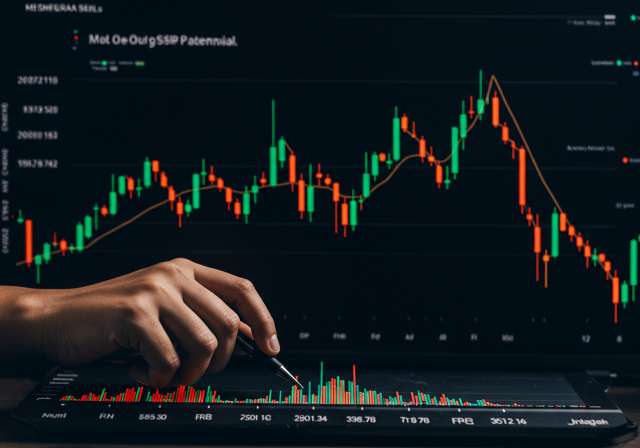
Want to navigate the Indian stock market with ease? Discover the power of mobile trading! Learn about the best BSE trading app features, benefits, and how to ch
Want to navigate the Indian stock market with ease? Discover the power of mobile trading! Learn about the best bse trading app features, benefits, and how to choose the right one for your investment journey in India. Start trading smarter today!
Unlock the Power of Mobile Trading: Choosing the Right BSE Trading App
Introduction: The Mobile Revolution in Indian Investing
The Indian stock market has undergone a massive transformation in recent years, fueled by technological advancements and increased investor awareness. Gone are the days of solely relying on brokers and physical trading floors. Today, a significant portion of trading activity is conducted through mobile applications. This digital shift has democratized access to the market, making it easier for anyone, regardless of location or experience level, to participate in the world of equity investments. The Bombay Stock Exchange (BSE), one of the oldest and most respected stock exchanges in Asia, has recognized this trend and actively encourages technological innovation to enhance investor convenience and participation.
Why Use a BSE Trading App? Key Benefits for Indian Investors
Using a trading app offers a plethora of advantages for Indian investors. Here are some key benefits:
- Convenience and Accessibility: Trade anytime, anywhere, with just a few taps on your smartphone. No need to be tied to a desktop computer. Whether you are commuting, traveling, or simply relaxing at home, you can access the stock market and manage your investments.
- Real-time Market Data: Stay updated with live stock prices, market news, and analysis, enabling you to make informed trading decisions. Apps provide real-time quotes from the NSE and BSE, ensuring you always have the latest information at your fingertips.
- Faster Order Execution: Place buy and sell orders quickly and efficiently, capitalizing on market opportunities as they arise. Speed is crucial in the fast-paced world of trading, and mobile apps allow you to react quickly to market fluctuations.
- Portfolio Tracking: Monitor your investment portfolio performance in real-time, tracking gains, losses, and overall returns. Most apps offer comprehensive portfolio dashboards that provide a clear overview of your investments.
- News and Research: Access market news, company analysis, and expert opinions directly within the app, empowering you to make well-informed investment decisions. Stay updated on corporate announcements, economic indicators, and global market trends.
- Ease of Use: Modern trading apps are designed with user-friendliness in mind, making them easy to navigate even for beginners. Intuitive interfaces and helpful tutorials make the learning curve less steep.
- Cost-Effective Trading: Many brokers offer lower brokerage fees for trades placed through mobile apps, reducing your overall trading costs. This is particularly beneficial for frequent traders.
Key Features to Look for in a BSE Trading App
When selecting a BSE trading app, consider the following features to ensure it meets your specific investment needs:
- User Interface (UI) and User Experience (UX): A clean, intuitive, and easy-to-navigate interface is crucial for a seamless trading experience. Look for apps with clear layouts, logical menus, and customizable dashboards.
- Real-time Data and Charts: Access to live stock prices, historical data, and interactive charts is essential for technical analysis and informed decision-making. Ensure the app provides accurate and reliable data feeds.
- Order Types: The app should support various order types, such as market orders, limit orders, stop-loss orders, and bracket orders, to cater to different trading strategies.
- Portfolio Management Tools: Look for features that allow you to track your portfolio performance, analyze your holdings, and receive alerts for price movements.
- Research and Analysis: Access to market news, company reports, and expert opinions can significantly enhance your investment decisions.
- Fund Transfer and Withdrawal: The app should provide secure and convenient options for transferring funds to and from your trading account.
- Security Features: Robust security measures, such as two-factor authentication, biometric login, and data encryption, are essential to protect your account from unauthorized access.
- Customer Support: Reliable and responsive customer support is crucial for resolving any issues or queries you may have. Check for availability of phone, email, and chat support.
- Customization Options: The ability to customize the app’s settings, such as themes, alerts, and watchlists, can enhance your trading experience.
Popular BSE Trading Apps in India
The Indian market offers a variety of trading apps catering to different investor profiles. Here are a few popular options, but remember to do your own research and compare features before making a decision:
- Zerodha Kite: Known for its user-friendly interface and low brokerage fees.
- Upstox Pro: Another popular app with a focus on simplicity and affordability.
- Groww: Gaining popularity for its intuitive design and focus on mutual fund investments.
- Angel Broking App: A full-service broker offering a comprehensive trading platform.
- IIFL Securities App: Provides access to a wide range of investment products and research reports.
Beyond Equity: Exploring Other Investment Options Through Trading Apps
While the primary focus of a bse trading app is often equity trading, many apps offer access to other investment avenues, allowing you to diversify your portfolio and manage your finances more effectively.
- Mutual Funds: Invest in a wide range of mutual fund schemes, including equity funds, debt funds, and hybrid funds. Many apps also offer features like SIP (Systematic Investment Plan) calculators and fund recommendations.
- Initial Public Offerings (IPOs): Apply for IPOs directly through the app, participating in the growth of promising new companies.
- Commodities: Trade in commodities like gold, silver, and crude oil through commodity exchanges.
- Currency Derivatives: Trade in currency futures and options, hedging against currency fluctuations.
- Government Securities (G-Secs): Invest in government bonds and treasury bills, providing a safe and stable investment option.
- Sovereign Gold Bonds (SGBs): Invest in gold in paper form, earning interest and avoiding the hassles of physical gold storage.
Understanding Brokerage Charges and Other Fees
Before choosing a trading app, carefully review the brokerage charges and other fees associated with trading. These fees can significantly impact your overall returns, especially if you are a frequent trader.
- Brokerage Fees: This is the fee charged by the broker for executing your trades. Many brokers offer discounted brokerage rates for online trading, with some even offering zero brokerage for equity delivery trades.
- Account Opening Charges: Some brokers may charge a fee for opening a trading account.
- Annual Maintenance Charges (AMC): You may be required to pay an annual fee to maintain your trading account.
- Transaction Charges: These charges are levied by the stock exchanges (BSE and NSE) on each transaction.
- SEBI Turnover Fees: The Securities and Exchange Board of India (SEBI) charges a small turnover fee on each transaction.
- Goods and Services Tax (GST): GST is applicable on brokerage fees, transaction charges, and other services provided by the broker.
Always compare the fee structures of different brokers and choose the one that best suits your trading style and investment volume. A seemingly small difference in brokerage rates can add up significantly over time.
Risk Management Strategies for Mobile Trading
While mobile trading offers convenience and flexibility, it’s crucial to implement effective risk management strategies to protect your capital and avoid impulsive decisions.
- Set Stop-Loss Orders: Use stop-loss orders to limit your potential losses on a trade. A stop-loss order automatically sells your shares if the price falls below a specified level.
- Diversify Your Portfolio: Don’t put all your eggs in one basket. Diversify your investments across different asset classes, sectors, and companies to reduce risk.
- Avoid Over-Leveraging: Be cautious when using leverage (margin trading). While leverage can amplify your profits, it can also magnify your losses.
- Trade with Discipline: Stick to your trading plan and avoid making impulsive decisions based on emotions.
- Stay Informed: Keep abreast of market news, company announcements, and economic indicators that can impact your investments.
- Regularly Review Your Portfolio: Periodically review your portfolio performance and make adjustments as needed to align with your investment goals and risk tolerance.
Tax Implications of Trading in the Indian Stock Market
Understanding the tax implications of trading in the Indian stock market is essential for effective financial planning. Here’s a brief overview of the key tax considerations:
- Capital Gains Tax: Any profit you make from selling your investments is subject to capital gains tax. The tax rate depends on the holding period of the investment.
- Short-Term Capital Gains (STCG): If you sell your investments within one year, the profit is considered short-term capital gains and is taxed at a rate of 15% (plus applicable surcharge and cess).
- Long-Term Capital Gains (LTCG): If you sell your investments after one year, the profit is considered long-term capital gains and is taxed at a rate of 10% on gains exceeding ₹1 lakh in a financial year (plus applicable surcharge and cess).
- Dividend Income: Dividends received from companies are taxable in your hands at your applicable income tax slab rate.
- Securities Transaction Tax (STT): STT is a tax levied on the purchase and sale of securities listed on a recognized stock exchange.
Consult with a tax advisor to understand the specific tax implications of your investments and ensure you comply with all applicable tax regulations.
The Future of Mobile Trading in India
Mobile trading is poised to continue its rapid growth in India, driven by increasing internet penetration, rising smartphone adoption, and growing financial literacy. We can expect to see even more innovative features and functionalities in trading apps, such as:
- AI-powered investment recommendations: Apps may leverage artificial intelligence to provide personalized investment recommendations based on your risk profile and financial goals.
- Voice-activated trading: Imagine placing trades simply by speaking to your smartphone.
- Integration with other financial services: Trading apps may integrate with other financial services, such as banking, insurance, and lending, to provide a holistic financial management platform.
- Enhanced security features: Biometric authentication and blockchain technology may be used to enhance the security of trading apps.
Conclusion: Embrace the Digital Revolution and Trade Smarter
The rise of mobile trading apps has revolutionized the Indian stock market, making it more accessible, convenient, and efficient for investors of all levels. By carefully selecting a trading app that meets your needs, understanding the associated risks and fees, and implementing effective risk management strategies, you can leverage the power of mobile technology to achieve your financial goals. Remember to always do your own research, consult with a financial advisor if needed, and stay informed about the latest market trends and regulations. The future of investing is digital, so embrace the change and trade smarter!


