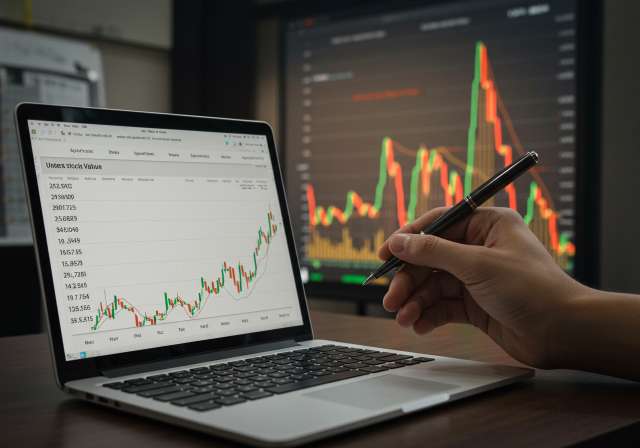
Choosing the best intraday trading app in India? Navigate the stock market with ease! Explore top platforms, features, and tips for successful trading on the NS
Choosing the best intraday trading app in India? Navigate the stock market with ease! Explore top platforms, features, and tips for successful trading on the NSE and BSE.
Best Intraday Trading App: A Comprehensive Guide for Indian Traders
Introduction: Navigating the Fast-Paced World of Intraday Trading
The Indian stock market, with its bustling activity on the NSE (National Stock Exchange) and BSE (Bombay Stock Exchange), offers numerous opportunities for investors to grow their wealth. Among the various trading strategies, intraday trading stands out as a particularly dynamic and potentially lucrative approach. Intraday trading, also known as day trading, involves buying and selling stocks within the same trading day, aiming to profit from short-term price fluctuations. However, success in intraday trading hinges not only on market knowledge and strategy but also on having the right tools at your disposal, most notably a reliable and feature-rich trading app.
In this comprehensive guide, we will delve into the world of intraday trading apps in India, exploring the key features to look for, highlighting some of the popular platforms available, and providing valuable insights to help you make informed decisions and navigate the risks associated with this high-octane form of trading. Remember, as SEBI (Securities and Exchange Board of India) constantly reminds us, investor education and awareness are crucial for successful participation in the market.
Key Features to Look for in an Intraday Trading App
Choosing the right trading app is paramount for a successful intraday trading experience. Here are some essential features to consider:
- Real-Time Data and Analytics: Access to real-time stock prices, market depth, charts, and technical indicators is non-negotiable. Look for apps that provide accurate and up-to-the-minute data to inform your trading decisions.
- Advanced Charting Tools: Effective intraday trading requires the ability to analyze price movements. A good app should offer a wide range of charting tools, including different chart types (e.g., candlestick, bar, line), technical indicators (e.g., Moving Averages, RSI, MACD), and drawing tools.
- Order Types: Different order types allow you to manage risk and execute trades strategically. Ensure the app supports various order types such as market orders, limit orders, stop-loss orders, and bracket orders. Bracket orders, in particular, can be very useful for intraday trading as they allow you to set both a target price and a stop-loss simultaneously.
- Speed and Reliability: In the fast-paced world of intraday trading, every second counts. Choose an app known for its speed and reliability, ensuring that your orders are executed quickly and efficiently.
- User-Friendly Interface: A clean and intuitive interface is crucial for a seamless trading experience. The app should be easy to navigate, even under pressure, allowing you to quickly access the information and features you need.
- Alerts and Notifications: Timely alerts can help you stay informed about price movements and potential trading opportunities. Look for apps that offer customizable alerts based on price levels, technical indicators, or other criteria.
- Research and Analysis: Some apps offer integrated research reports, news feeds, and analysis tools to help you stay abreast of market trends and identify potential trading opportunities.
- Risk Management Tools: Features like stop-loss orders, position sizing calculators, and margin calculators are essential for managing risk effectively.
- Customer Support: Reliable customer support is crucial in case you encounter any technical issues or have questions about the app’s features.
- Security: Ensure the app has robust security measures in place to protect your account and personal information. Look for features like two-factor authentication and data encryption.
- Brokerage Charges and Fees: Understand the brokerage charges, account maintenance fees, and other associated costs before choosing an app. Compare different platforms to find one that offers competitive pricing.
Popular Intraday Trading Apps in India
Several reputable brokerage firms in India offer feature-rich mobile apps for intraday trading. Here are a few of the popular options:
- Zerodha Kite: Known for its user-friendly interface and low brokerage fees, Zerodha Kite is a popular choice among Indian traders. It offers a wide range of features, including advanced charting tools, real-time data, and a mobile-first design.
- Upstox Pro: Upstox Pro is another popular platform that offers a seamless trading experience with its intuitive interface and advanced features. It provides real-time data, charting tools, and various order types.
- Angel Broking (Angel One): Angel One is a well-established brokerage firm in India that offers a comprehensive trading app with a wide range of features, including research reports, personalized recommendations, and access to various asset classes.
- Groww: Groww, primarily known for its mutual fund investments, also offers a trading platform for stocks. It boasts a clean and simple interface, making it ideal for beginners. However, it may lack some of the advanced features offered by other platforms.
- 5paisa: 5paisa is a discount brokerage firm that offers a flat fee trading model, making it an attractive option for frequent traders. Their app provides access to various trading tools and features.
Disclaimer: This is not an exhaustive list, and the best app for you will depend on your individual needs and preferences. It is essential to do your own research and compare different platforms before making a decision.
Tips for Successful Intraday Trading
Intraday trading can be a rewarding but also a risky endeavor. Here are some tips to increase your chances of success:
- Develop a Solid Trading Strategy: Don’t trade on hunches or emotions. Develop a well-defined trading strategy based on technical analysis, fundamental analysis, or a combination of both. Your strategy should include clear entry and exit points, risk management rules, and position sizing guidelines.
- Manage Your Risk: Risk management is paramount in intraday trading. Always use stop-loss orders to limit your potential losses. Never risk more than you can afford to lose. Consider using position sizing techniques to control the amount of capital you allocate to each trade.
- Stay Disciplined: Stick to your trading plan and avoid impulsive decisions. Emotions can be your worst enemy in intraday trading. It’s easy to get caught up in the excitement of the market, but it’s important to remain calm and rational.
- Start Small: Begin with a small amount of capital and gradually increase your position size as you gain experience and confidence. Don’t rush into trading with large sums of money before you are comfortable with the risks involved.
- Keep Learning: The stock market is constantly evolving. Stay updated on market trends, news events, and new trading strategies. Continuously learn and adapt to the changing market conditions.
- Control Your Emotions: Fear and greed can cloud your judgment and lead to poor trading decisions. Learn to control your emotions and trade objectively.
- Choose the Right Stocks: Focus on highly liquid stocks with significant price volatility. These stocks offer more opportunities for intraday trading.
- Be Aware of News and Events: Stay informed about economic news, company announcements, and other events that could impact the market.
- Use Technical Analysis: Learn to read charts, identify trends, and use technical indicators to make informed trading decisions.
- Practice with a Demo Account: Before trading with real money, practice your trading strategy using a demo account offered by many brokerage firms. This will allow you to familiarize yourself with the trading platform and test your strategies without risking any capital.
Understanding Brokerage and Other Charges
Before diving into intraday trading, it’s crucial to understand the various costs associated with it. These include:
- Brokerage Charges: This is the fee charged by your broker for executing trades. Brokerage charges can vary significantly depending on the broker and the trading plan you choose. Some brokers offer flat fee plans, while others charge a percentage of the trade value.
- Securities Transaction Tax (STT): STT is a tax levied by the government on the sale and purchase of securities.
- Goods and Services Tax (GST): GST is levied on brokerage charges and other services provided by your broker.
- Stamp Duty: Stamp duty is a tax levied on the transfer of securities.
- SEBI Turnover Fees: SEBI charges a small fee for regulating the securities market.
- Exchange Transaction Charges: The NSE and BSE charge transaction fees for using their trading platforms.
These charges can eat into your profits, so it’s important to factor them into your trading decisions. Choose a broker with competitive pricing and be aware of all the associated costs.
Intraday Trading vs. Other Investment Options
Intraday trading differs significantly from long-term investment options like mutual funds, SIPs (Systematic Investment Plans), ELSS (Equity Linked Savings Schemes), PPF (Public Provident Fund), and NPS (National Pension System). While intraday trading aims to generate quick profits from short-term price movements, long-term investments focus on wealth creation over a longer period, typically years or even decades. Long-term investments are generally less risky than intraday trading and are suitable for investors with a lower risk tolerance. Investing in diversified instruments like mutual funds helps mitigate risk. Moreover, tax-saving instruments such as ELSS and PPF offer tax benefits under Section 80C of the Income Tax Act, making them attractive options for long-term financial planning.
Conclusion: Making Informed Decisions
Choosing the right intraday trading app is a critical step in your journey as a trader. By carefully considering the features, benefits, and risks associated with different platforms, you can make an informed decision that aligns with your trading style and goals. Remember to prioritize risk management, stay disciplined, and continuously learn to improve your trading skills. While this trading app can be a powerful tool, remember that success in intraday trading requires dedication, knowledge, and a well-defined strategy. Approach intraday trading with caution, and always prioritize your financial well-being.