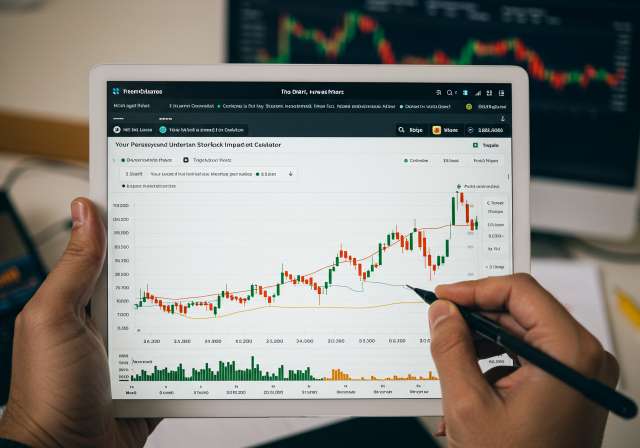
Derivatives can be a powerful tool for hedging, speculation, and portfolio management. However, they also carry significant risks. Before engaging in derivatives trading, it’s crucial to educate yourself, understand the risks involved, and develop a robust trading strategy with sound risk management practices. For Indian investors seeking alternatives, options like index funds, ETFs, and mutual funds with derivative exposure offer ways to participate in market movements without the direct complexities of derivatives trading. Always consult with a financial advisor before making any investment decisions.
Unlock the potential of derivatives trading in India. Demystify futures, options, and their role in hedging and speculation. Learn how to navigate the NSE & BSE with our comprehensive guide. Invest smart, trade wisely!
Derivatives Trading: A Comprehensive Guide for Indian Investors
Understanding Derivatives: A Foundation for Investment
In the dynamic world of finance, understanding the various instruments available is crucial for making informed investment decisions. One such category of instruments is derivatives. But what exactly are derivatives, and why are they important for Indian investors participating in the NSE and BSE?
Derivatives are financial contracts whose value is derived from an underlying asset. This underlying asset can be anything from stocks and bonds to commodities, currencies, or even market indices like the Nifty 50. Think of it as betting on the future price movement of something without actually owning it.
For example, consider a farmer who wants to protect himself from a potential drop in the price of his wheat harvest. He can enter into a derivative contract that guarantees him a certain price for his wheat, regardless of the market price at the time of harvest. Similarly, an investor worried about a stock market correction might use derivatives to hedge their portfolio.
Types of Derivatives: A Closer Look
The world of derivatives is vast and varied. Here are some of the most common types you’ll encounter:
- Futures: A futures contract is an agreement to buy or sell an asset at a predetermined price and date in the future. They are typically traded on exchanges like the NSE and BSE and are standardized in terms of quantity and quality of the underlying asset.
- Options: An options contract gives the buyer the right, but not the obligation, to buy (call option) or sell (put option) an asset at a specific price (strike price) on or before a specific date (expiration date). The buyer pays a premium to the seller for this right.
- Forwards: Similar to futures, forwards are agreements to buy or sell an asset at a future date. However, unlike futures, forwards are typically customized contracts traded over-the-counter (OTC) between two parties.
- Swaps: Swaps are agreements to exchange cash flows based on different underlying assets or interest rates. They are often used by companies to manage their interest rate or currency risk.
Why Trade Derivatives? Exploring the Advantages and Disadvantages
Derivatives offer several potential benefits, but it’s important to understand the risks involved before diving in.
Advantages of Derivatives Trading
- Hedging: As mentioned earlier, derivatives can be used to hedge against price fluctuations. This is particularly useful for businesses that are exposed to commodity price risk or currency risk. For example, an Indian company that exports goods to the US can use currency futures to protect itself from a potential depreciation of the INR against the USD.
- Leverage: Derivatives allow traders to control a large amount of an underlying asset with a relatively small amount of capital. This leverage can amplify both profits and losses. While attractive, this is arguably one of the biggest risks in derivatives, as a small adverse movement can wipe out your entire investment.
- Speculation: Traders can use derivatives to speculate on the future price movements of assets. For example, if you believe that a particular stock will rise in price, you can buy a call option on that stock. However, it’s essential to note that speculation carries inherent risk.
- Price Discovery: Derivatives markets can contribute to price discovery by reflecting the collective expectations of market participants regarding future prices.
Disadvantages of Derivatives Trading
- High Risk: The leverage inherent in derivatives trading can magnify losses, potentially leading to significant financial losses.
- Complexity: Derivatives can be complex instruments, and it’s crucial to have a thorough understanding of how they work before trading them. Lack of understanding can lead to costly mistakes.
- Volatility: Derivatives markets can be highly volatile, and prices can change rapidly. This volatility can make it difficult to predict future price movements.
- Counterparty Risk: In OTC derivatives markets, there is a risk that the other party to the contract will default on their obligations.
Derivatives Trading in India: A Regulatory Overview
The derivatives market in India is regulated by the Securities and Exchange Board of India (SEBI). SEBI has put in place a comprehensive regulatory framework to ensure the integrity and stability of the market.
Key regulations include:
- Eligibility criteria for trading: SEBI specifies the eligibility criteria for individuals and institutions to trade derivatives.
- Margin requirements: SEBI mandates margin requirements for derivatives trading to mitigate risk.
- Position limits: SEBI sets position limits to prevent excessive speculation and market manipulation.
- Disclosure requirements: SEBI requires market participants to disclose their positions in derivatives contracts.
The NSE and BSE are the primary exchanges where derivatives are traded in India. They provide a platform for buyers and sellers to meet and execute trades in a transparent and regulated manner.
Getting Started with Derivatives Trading: A Step-by-Step Guide
If you’re interested in getting started with derivatives trading in India, here’s a step-by-step guide:
- Educate yourself: Before you start trading, it’s essential to educate yourself about the different types of derivatives, the risks involved, and the regulatory framework. You can find a wealth of information online and through educational courses offered by brokers and exchanges.
- Open a trading account: You’ll need to open a trading account with a SEBI-registered broker that offers derivatives trading. Popular brokers in India include Zerodha, Upstox, and ICICI Direct.
- Complete KYC: You’ll need to complete the Know Your Customer (KYC) process to comply with regulatory requirements. This involves providing your identity proof, address proof, and PAN card.
- Fund your account: You’ll need to fund your trading account with sufficient capital to meet margin requirements. Remember, derivatives trading involves leverage, so you should only risk capital that you can afford to lose.
- Develop a trading strategy: Develop a clear trading strategy based on your risk tolerance and investment goals. This strategy should include entry and exit rules, stop-loss orders, and profit targets.
- Start with small positions: When you’re starting out, it’s advisable to start with small positions and gradually increase your trading size as you gain experience.
- Monitor your positions: It’s crucial to monitor your positions regularly and adjust your strategy as needed. Be prepared to cut your losses quickly if your trades are not going as planned.
Risk Management in Derivatives Trading: Protecting Your Capital
Risk management is paramount in derivatives trading. Due to the leveraged nature of these instruments, losses can accumulate quickly. Implementing robust risk management strategies is key to safeguarding your capital. Here are some important strategies:
- Stop-loss orders: Use stop-loss orders to limit your potential losses on each trade. A stop-loss order automatically closes your position if the price reaches a predetermined level.
- Position sizing: Carefully determine the size of your positions based on your risk tolerance and capital. Avoid over-leveraging your account.
- Diversification: Don’t put all your eggs in one basket. Diversify your investments across different asset classes and sectors to reduce your overall risk.
- Hedging: Use derivatives to hedge your existing positions. For example, if you own a portfolio of stocks, you can buy put options on the Nifty 50 to protect against a market downturn.
- Stay informed: Keep up-to-date with market news and events that could affect your positions. This includes economic data releases, company announcements, and geopolitical developments.
Common Mistakes to Avoid in Derivatives Trading
Many novice derivatives traders fall prey to common mistakes that can lead to significant losses. Avoiding these pitfalls is crucial for success in the long run.
- Lack of education: Trading derivatives without a thorough understanding of how they work is a recipe for disaster.
- Over-leveraging: Using excessive leverage can amplify losses and quickly deplete your capital.
- Emotional trading: Making trading decisions based on fear or greed can lead to impulsive and irrational actions.
- Ignoring risk management: Failing to implement proper risk management strategies can expose you to significant financial losses.
- Chasing quick profits: Trying to get rich quick with derivatives trading is unrealistic and often leads to disappointment.
Alternatives to Direct Derivatives Trading for Retail Investors
Direct derivatives trading can be complex and risky for retail investors. There are several alternative investment options available that provide exposure to market movements without requiring direct participation in the derivatives market:
- Index Funds: Invest in index funds that track major market indices like the Nifty 50 or Sensex. These funds provide diversified exposure to the Indian equity market without the need to actively manage individual stock positions.
- Exchange Traded Funds (ETFs): ETFs are similar to index funds but are traded on stock exchanges. They offer flexibility and liquidity, allowing investors to buy and sell them throughout the trading day.
- Mutual Funds with Derivative Exposure: Some mutual funds use derivatives as part of their investment strategy, either for hedging or for generating alpha. These funds typically have experienced fund managers who can navigate the complexities of the derivatives market.
- Systematic Investment Plans (SIPs): Investing in equity mutual funds through SIPs allows you to invest a fixed amount regularly, regardless of market conditions. This can help you to smooth out the volatility of the market and benefit from long-term growth. Consider Equity Linked Savings Schemes (ELSS) for tax saving purposes under Section 80C of the Income Tax Act. You can also explore options like Public Provident Fund (PPF) or National Pension System (NPS) for long-term savings.