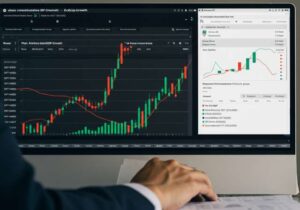
Demystifying Intraday Trading: A comprehensive guide for Indian investors. Learn strategies, risks, and tips for navigating the Indian stock market effectively.
Demystifying intraday trading: A comprehensive guide for Indian investors. Learn strategies, risks, and tips for navigating the Indian stock market effectively. Start your intraday trading journey with confidence on NSE and BSE!
Intraday Trading: A Beginner’s Guide for Indian Investors
Introduction: Decoding the World of Intraday Trading
The Indian stock market, with its bustling activity on the National Stock Exchange (NSE) and the Bombay Stock Exchange (BSE), presents numerous opportunities for investors. While long-term investing through instruments like mutual funds, SIPs (Systematic Investment Plans), ELSS (Equity Linked Savings Schemes), PPF (Public Provident Fund), and NPS (National Pension System) is a cornerstone of wealth creation, a more active approach, known as intraday trading, attracts those seeking quicker returns. But what exactly is it, and is it right for you?
This guide aims to demystify intraday trading for Indian investors, providing a comprehensive overview of its mechanics, potential benefits, associated risks, and essential strategies. We’ll delve into the nuances of trading on the NSE and BSE, and equip you with the knowledge to make informed decisions.
What is Intraday Trading?
Intraday trading, also known as day trading, involves buying and selling stocks or other financial instruments within the same trading day. The goal is to profit from small price movements that occur during the day. Unlike traditional investing, where you hold assets for the long term, intraday traders close all their positions before the market closes. This means you don’t carry any overnight risk, but you also miss out on potential gains (or losses) that may occur outside of market hours.
In essence, it’s a speculative endeavor. Traders analyze market trends, news, and technical indicators to predict short-term price fluctuations. The profit (or loss) is the difference between the purchase price and the selling price, less brokerage and other charges.
Key Differences: Intraday Trading vs. Long-Term Investing
Before venturing into intraday trading, it’s crucial to understand the fundamental differences between it and long-term investing:
- Time Horizon: Intraday trading focuses on minutes, hours, or at most a single trading day. Long-term investing, on the other hand, spans months, years, or even decades.
- Risk Tolerance: Intraday trading is inherently riskier due to its short-term nature and reliance on predicting market volatility. Long-term investing typically carries lower risk, as it allows for market fluctuations to even out over time.
- Capital Requirements: While you can start investing in mutual funds with as little as ₹500 through SIPs, intraday trading often requires a larger initial capital base to withstand potential losses and take advantage of opportunities.
- Knowledge and Skills: Intraday traders need a strong understanding of technical analysis, charting patterns, market dynamics, and risk management. Long-term investors can often rely on fundamental analysis and a broader understanding of the economy.
- Emotional Discipline: Intraday trading demands significant emotional discipline to avoid impulsive decisions driven by fear or greed. Long-term investing allows for a more detached and rational approach.
The Mechanics of Intraday Trading in India
Here’s a step-by-step overview of how intraday trading works in the Indian context:
- Open a Demat and Trading Account: You’ll need a Demat account (for holding shares electronically) and a trading account with a SEBI-registered broker. Many brokers offer online platforms for convenient trading.
- Fund Your Account: Deposit funds into your trading account to start trading. The amount you need will depend on your risk tolerance and trading strategy.
- Choose Stocks: Select stocks that are highly liquid (easily bought and sold) and exhibit price volatility. This allows for potential profit-making opportunities within the day. Pay attention to stocks listed on the NSE Nifty 50 or BSE Sensex, as they often have higher trading volumes.
- Analyze the Market: Use technical analysis tools, charts, and news sources to identify potential trading opportunities. Look for patterns, trends, and indicators that suggest price movements.
- Place Your Order: Use your broker’s platform to place your buy or sell order. You’ll typically use “limit” or “market” orders, depending on your price preferences.
- Monitor Your Position: Actively monitor your trade throughout the day. Be prepared to adjust your strategy based on market conditions.
- Square Off Your Position: It’s crucial to square off all your positions before the market closes (typically around 3:30 PM IST). This means selling any stocks you bought and buying back any stocks you shorted. If you fail to do so, your broker may automatically square off your position, potentially at an unfavorable price.
Strategies for Intraday Trading
Successful intraday trading requires a well-defined strategy. Here are some common strategies used by Indian traders:
- Trend Following: Identifying and trading in the direction of the prevailing market trend. This involves using indicators like moving averages and trendlines.
- Breakout Trading: Capitalizing on price breakouts above resistance levels or below support levels.
- Scalping: Making small profits from tiny price changes by executing numerous trades throughout the day. This strategy requires a high degree of speed and precision.
- Momentum Trading: Taking advantage of strong price movements driven by news or events.
- Gap Trading: Profiting from the price gap that sometimes occurs between the previous day’s closing price and the current day’s opening price.
Important Considerations for Strategy Implementation
- Risk Management: Every strategy should incorporate a robust risk management plan, including stop-loss orders to limit potential losses.
- Backtesting: Before implementing a strategy with real money, backtest it using historical data to assess its effectiveness.
- Adaptability: Be prepared to adapt your strategy as market conditions change.
The Risks of Intraday Trading
While intraday trading offers the potential for high returns, it also comes with significant risks:
- High Volatility: The stock market can be highly volatile, especially in the short term. Unexpected news or events can trigger sharp price swings, leading to substantial losses.
- Leverage: Many brokers offer leverage, which allows you to trade with more capital than you actually have. While leverage can amplify profits, it can also magnify losses. Using excessive leverage can be detrimental.
- Emotional Trading: Fear and greed can cloud judgment and lead to impulsive decisions. Sticking to your trading plan is crucial, even when emotions run high.
- Market Noise: It can be difficult to distinguish between genuine market signals and “noise” (random fluctuations). This can lead to incorrect trading decisions.
- Brokerage and Other Charges: Frequent trading can result in significant brokerage charges and other transaction costs, which can eat into your profits.
Tips for Successful Intraday Trading in India
Here are some essential tips to help you navigate the world of intraday trading successfully:
- Education is Key: Thoroughly educate yourself about the stock market, technical analysis, and risk management before you start trading.
- Start Small: Begin with a small amount of capital that you can afford to lose. As you gain experience and confidence, you can gradually increase your trading size.
- Develop a Trading Plan: Create a detailed trading plan that outlines your goals, strategies, risk tolerance, and money management rules. Stick to your plan, even when faced with temptation.
- Use Stop-Loss Orders: Always use stop-loss orders to limit your potential losses. This is a crucial risk management tool.
- Control Your Emotions: Avoid trading based on emotions. Make rational decisions based on your analysis and trading plan.
- Stay Updated: Keep abreast of market news, economic data, and company announcements that could affect stock prices.
- Choose a Reliable Broker: Select a reputable and SEBI-registered broker with a user-friendly trading platform and competitive brokerage rates.
- Keep Records: Maintain detailed records of your trades, including entry and exit prices, profits and losses, and brokerage charges. This will help you track your performance and identify areas for improvement.
- Tax Implications: Understand the tax implications of intraday trading. Profits from intraday trading are typically taxed as business income. Consult with a tax advisor for personalized guidance.
Conclusion: Is Intraday Trading Right for You?
Intraday trading can be a rewarding but also a highly challenging endeavor. It’s not suitable for everyone. Before you dive in, carefully assess your risk tolerance, financial situation, and knowledge level. If you’re new to the stock market, consider starting with long-term investing through mutual funds or SIPs to gain experience before attempting intraday trading. Remember that disciplined learning, strategic planning, and effective risk management are paramount to success in the dynamic world of intraday trading.